
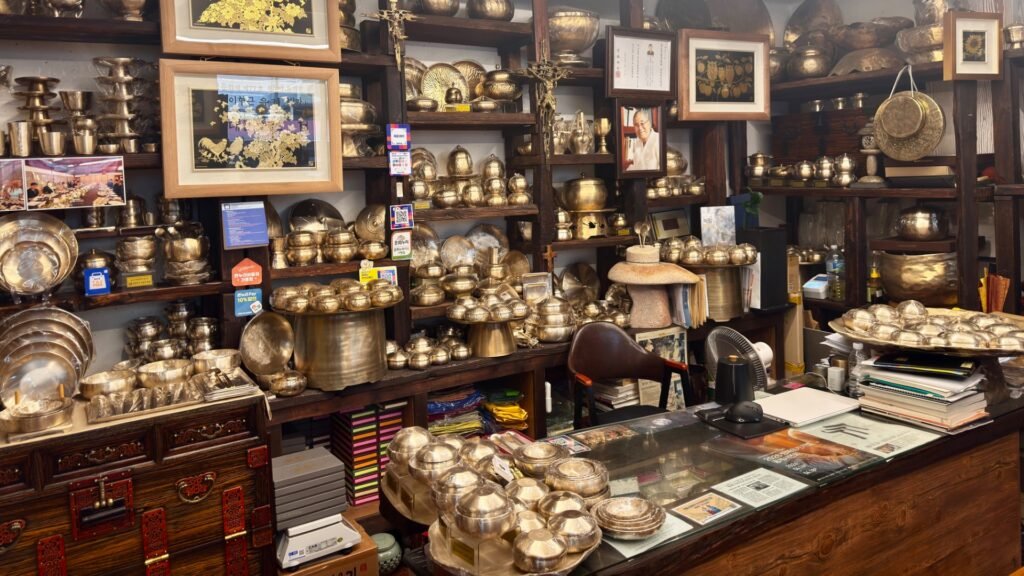
On our trip to South Korea, we bought Bangjja Yugi as something that would remind us of our time there, something we’d cherish for life and eventually pass down. This is the story of Bangjja Yugi. The what, the why, the how, and the where.
The What: The History of Bangjja Yugi
Bangjja means hand-forged, and yugi means bronzeware. But Bangjja Yugi has much more to tell than what the two words separately convey.
Bronzeware has historically been used by Koreans as everyday tableware. During World War II, most of the bronzeware in Korean households was confiscated by Japan and melted down for its metal. Following Korea’s liberation in 1945, bronzeware once again became widely used. However, soon after the Korean War, when coal briquettes replaced wood charcoal as the primary cooking fuel, people gradually switched to stainless steel because bronzeware discoloured badly from the gas produced by the briquettes.
Over time, stainless steel became the preferred choice due to its ease of maintenance and significantly lower cost. As the use of stainless steel increased, bangjja yugi gradually transitioned from an everyday household essential to a traditional craft that is now preserved by only a handful of artisans. Among them, the most renowned name is Lee Bong-ju.
Lee Bong-ju was born in 1926 in a place called Napcheong, an area that is now part of North Korea. At the time, Napcheong was renowned as the birthplace of hand-forged bronzeware, while Anseong, in present-day South Korea, was famous for its casted bronzeware.
In 1948, just before the Korean War, a few master artisans of the craft, including Lee Bong-ju, fled to South Korea. Along with them came the famous Napcheong tradition of hand-forged bronzeware, and that is how the centuries old craft survived and continued to flourish in South Korea.
Lee Bong-ju dedicated his life to preserving the traditional art of making Bangjja Yugi entirely by hand. In 1956, he founded Napcheong Yugi, naming it in honour of his birthplace, Napcheong.
In 1983, the craft of Bangjja Yugi was designated National Intangible Cultural Heritage No. 77 by the South Korean government. In recognition of his exceptional craftsmanship and lifelong dedication to preserving the tradition, Lee Bong-ju was designated the holder of the craft and awarded the prestigious title of Living National Treasure.
Today, his son, Lee Hyung-geun, carries on his father’s legacy and is the current holder of the craft, bearing the title of Living National Treasure.
The bangjja (handforging) method is exhausting, precise, and deeply skilled. The bronze used in bangjja yugi isn’t just any bronze, it’s a specific alloy of 78% copper and 22% tin, an exact ratio, even a small deviation can cause the metal to crack during forging. Several artisans work around a single piece at once, taking turns hammering and reheating in a coordinated rhythm. One person simply can’t do it alone.
The result is different from any other bronzeware you’ll find. Bangjja pieces are denser, more durable, and have a surface quality which a machine cannot replicate. They don’t just look beautiful, they actually function better. They retain heat longer than ceramic or stainless steel. They’re naturally antibacterial. And historically, they were said to darken when exposed to certain toxins, which is exactly why Korean royalty and nobility used them at court.
The Why
So, why did I choose Bangjja Yugi for a souvenir from my trip to South Korea?
The history of Bangjja Yugi is, in many ways, the history of Korea itself. A simple spoon handcrafted by Lee Bong-ju tells a remarkable story, not just of craftsmanship, but of a nation. It speaks of the Japanese rule, the Korean conflict, the Korean kitchens, and even the evolution of Korean script.
Yes, the evolution of their script as well. I learnt about it after noticing the Chinese letters and symbols on our Bangjja Yugi. I was initially confused as to why this highly protected Korean craft had Chinese characters instead of Korean.
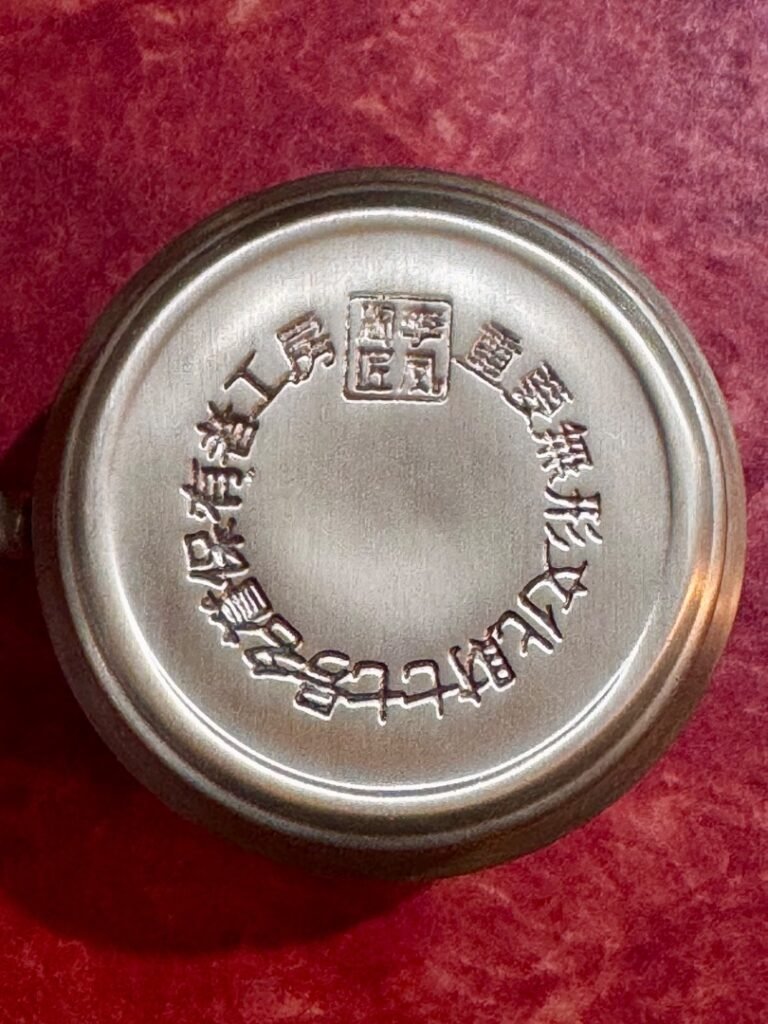
But on researching, I learnt that Hanja, the Chinese characters, were adapted for use in Korea. Korea didn’t have its own writing system for a very long time, so educated Koreans wrote in Classical Chinese, using Hanja for all official records, government documents, literature, and crafts. It was the script of the elite, mastering it required years of study, and most ordinary people couldn’t read it at all.
That changed in 1443, when King Sejong the Great commissioned a new writing system called Hangul, specifically designed for the Korean language. Hangul was created to be simple enough for everyone to learn.
But Hanja remained on older artefacts, temple inscriptions, and formal seals. As the script of the royal court, it also remained on Bangjja Yugi, since it was traditionally made for the royal table.
The story of Bangjja Yugi tells much more than any souvenir is supposed to tell. And now, our kitchen celebrates Korean history, our trip to Korea, and something that will be passed down through generations to be cherished.
The How
How is the quality and craftsmanship of Bangjja Yugi? And how does it compare to other bronze or stainless steel tableware?
We purchased a set of spoons, forks, butter knives, and cups. The aesthetics alone speak volumes about the quality and craftsmanship. The finish is matte, with a champagne gold colour, and is noticeably different from conventional bronzeware, which tends to have a more brownish-gold appearance. Despite the addition of tin, the hand-forging process results in a weight and density that feel remarkably substantial. The craftsmanship makes each piece even more appealing.
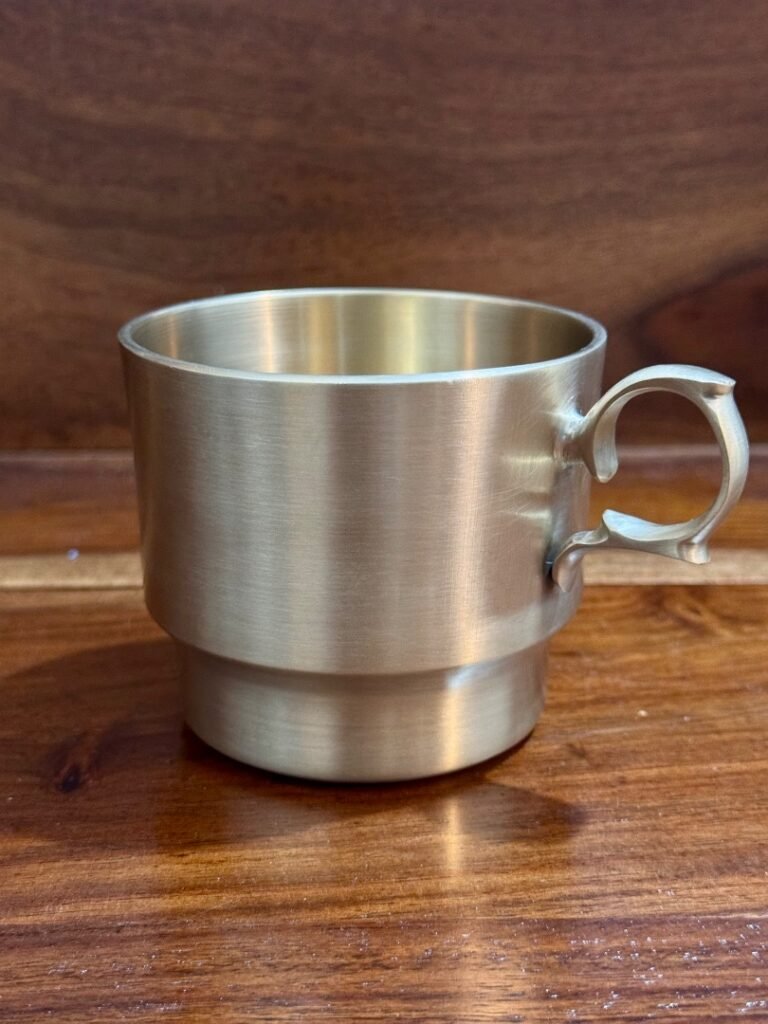
Each piece has a beautiful mellow ring when struck. It behaves much like a tuning fork, resonating with a clear, sustained tone that makes it sound almost like a musical instrument.
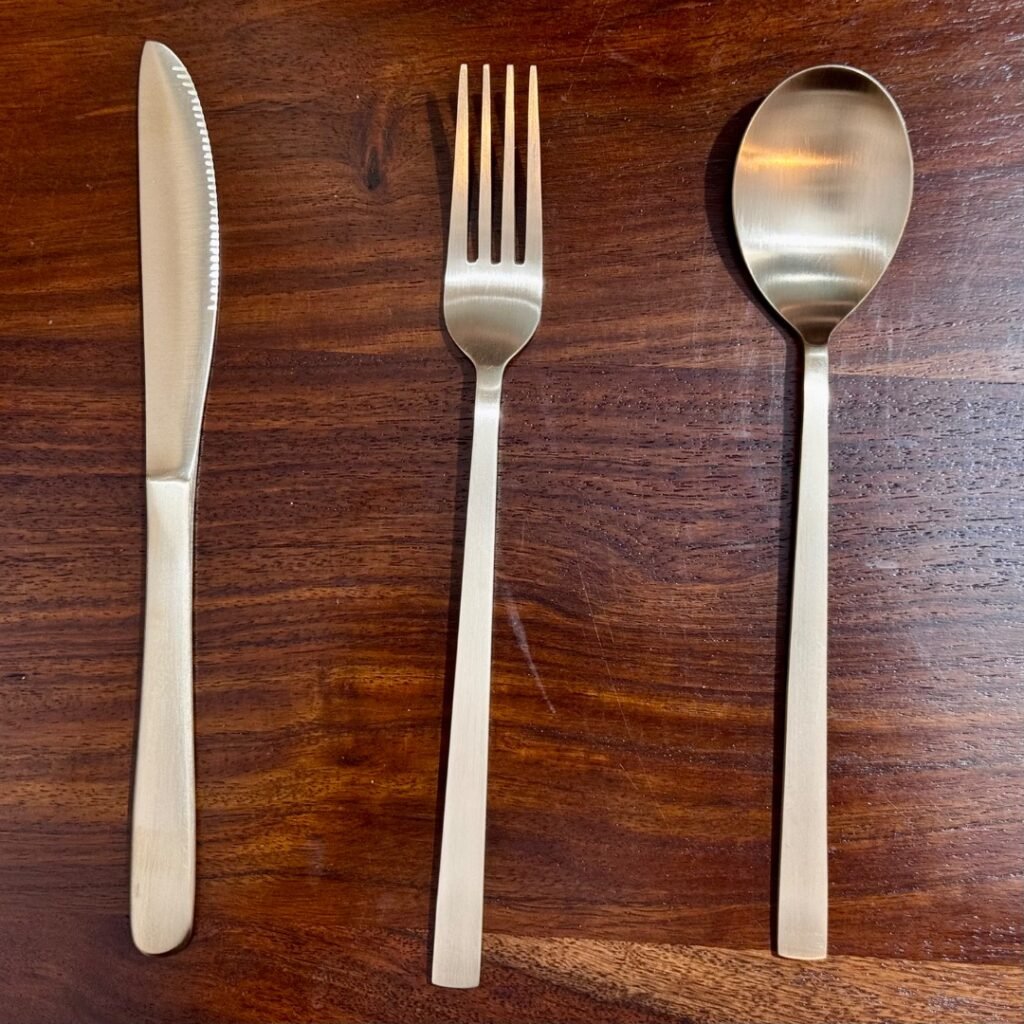
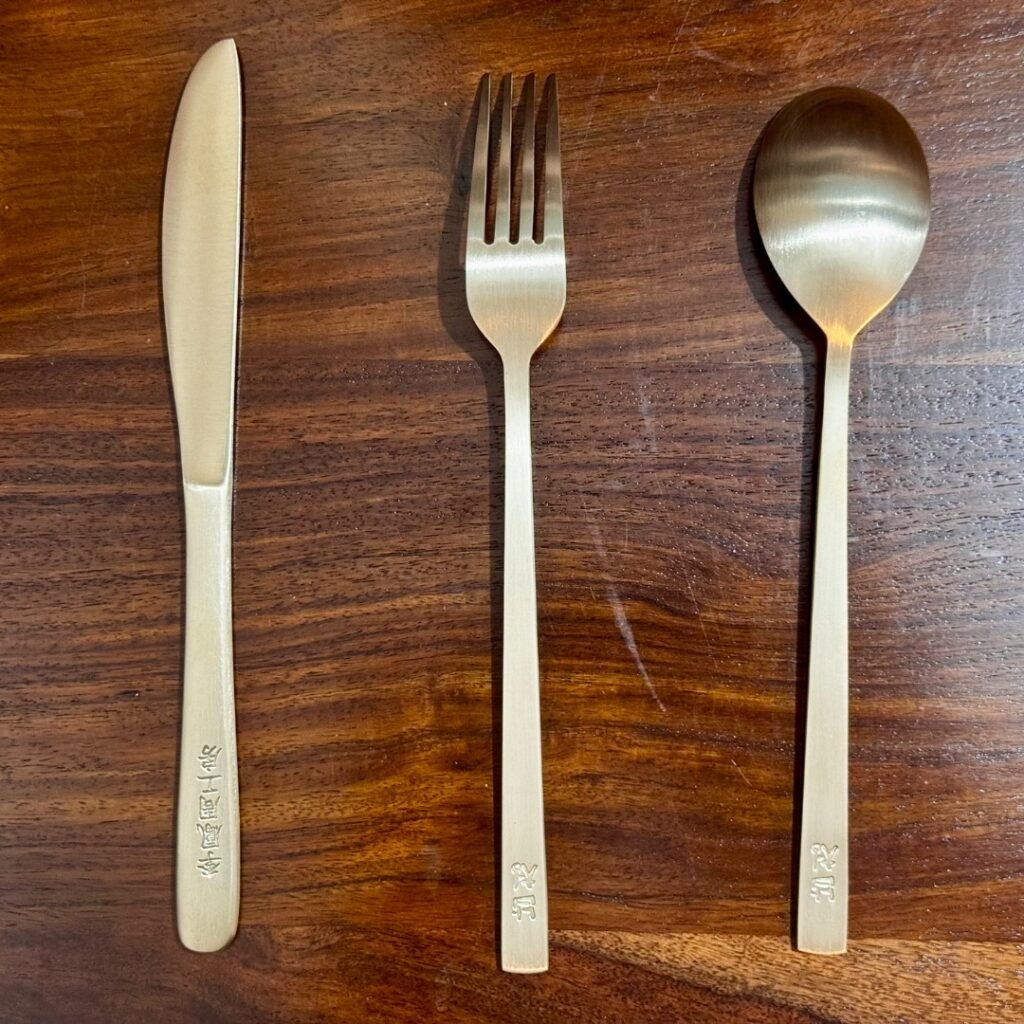
We dined at many restaurants where either the tableware or the cutlery was made of Bangjja Yugi, and the patina that had developed on each piece looked absolutely marvellous. If not for the price, I would have replaced every piece in my kitchen with Bangjja Yugi.
Stainless steel is an excellent choice if you want something that requires virtually no maintenance. Bangjja Yugi, on the other hand, demands considerably more care. But in the process, it becomes a part of your life. Something you don’t just own, but something that is truly yours.
The Where
The whole post would be incomplete if I don’t tell you where we bought our Bangjja Yugi from and what other places you can check out if you’re looking to buy it.
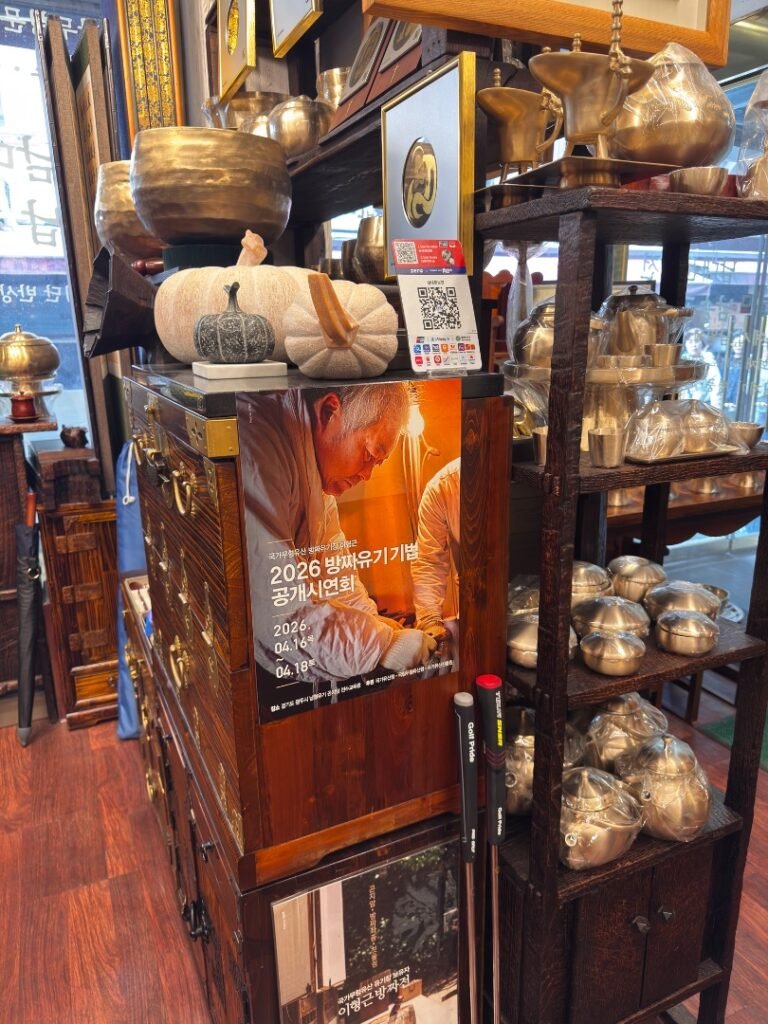
Upon learning about Bangjja Yugi, I immediately started looking for places where I could buy it. In a Reddit post, I came across a recommendation for a shop in Namdaemun Market that sold very high-quality cutlery. I suspected they were selling Bangjja Yugi and decided to give it a try.
The shop is called Namdaemun Notjeon, and indeed, they had an excellent collection of Bangjja Yugi. What I didn’t know was that the shop is open only from 9:00 a.m. to 5:00 p.m., which we discovered when we reached at 5:10 p.m. and found it closed. Yes, we reached just ten minutes late, and the shop was already shut.
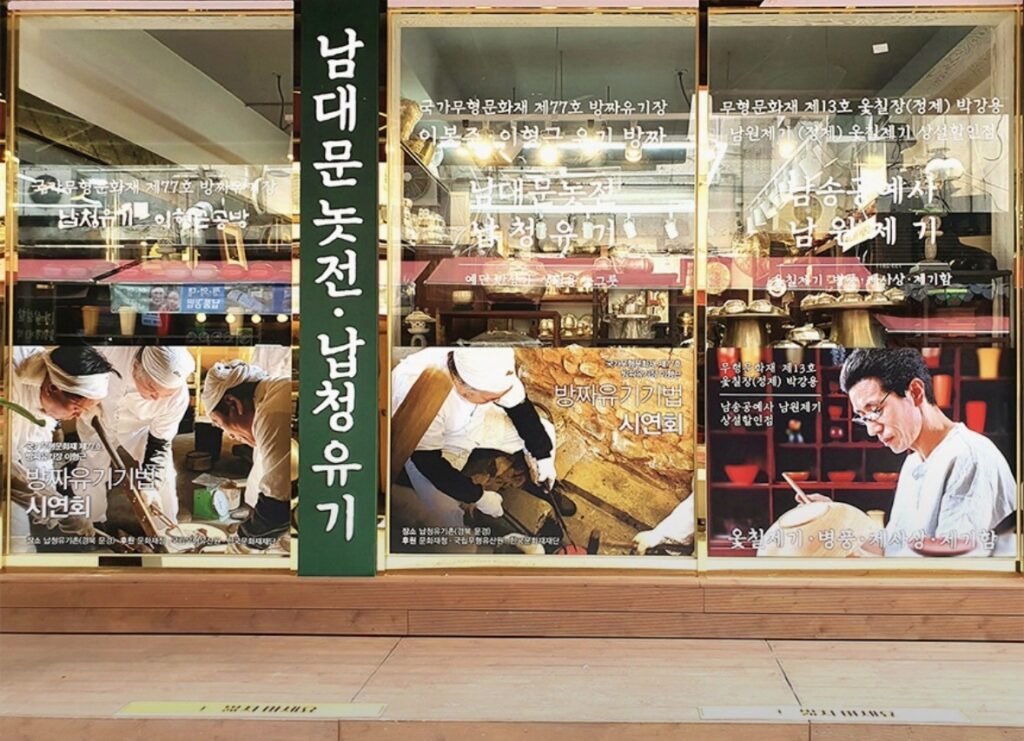
Koreans are very punctual and particular about their time. When you’re on vacation in South Korea, you’ll find them painfully punctual. Arrive even a minute late, and they’ll simply tell you, “Sorry, we’re closed.”
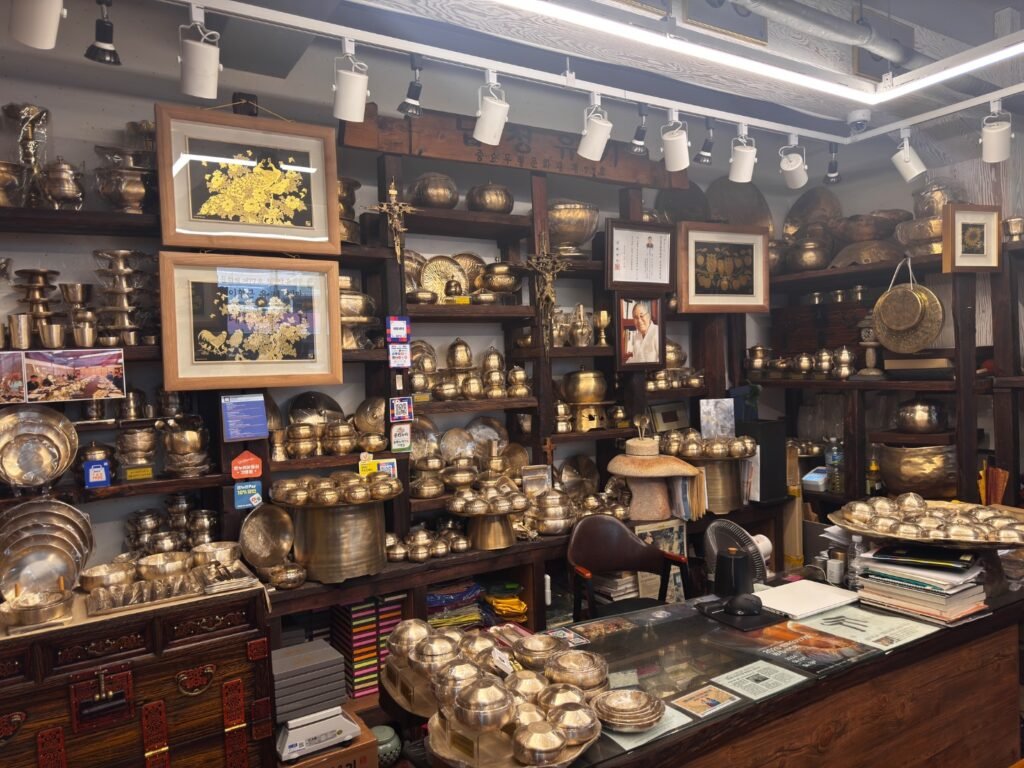
The next day, we went back at around 11:45 a.m., and the shop was so aesthetically pleasing. It was incredibly difficult to make a selection because everything was astonishingly beautiful.
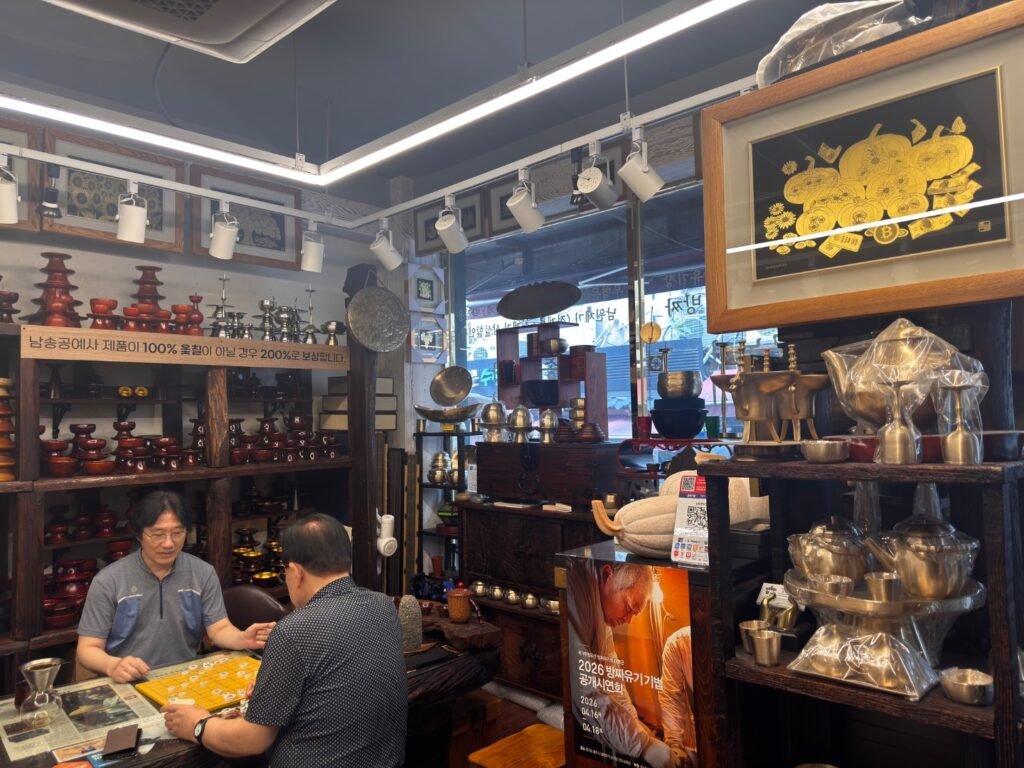
Another option is the flagship store listed on the Napcheong website, called Napcheong Bronzeware, located in Insadong. we didn’t get a chance to visit this shop, but I’m sure you would love it as well.


Such a brilliant piece!! Beautiful pictures and an incredibly detailed account of something so very niche. Loved it. Hope you get to buy a lot more Bangjja Yugi cutlery sooner than later 🧿😄
Thank you!