
We have been following a few renowned restaurant ranking platforms, such as The World’s 50 Best and Condé Nast Traveller, for the past two years and have been consistently visiting featured restaurants to experience what they have to offer.
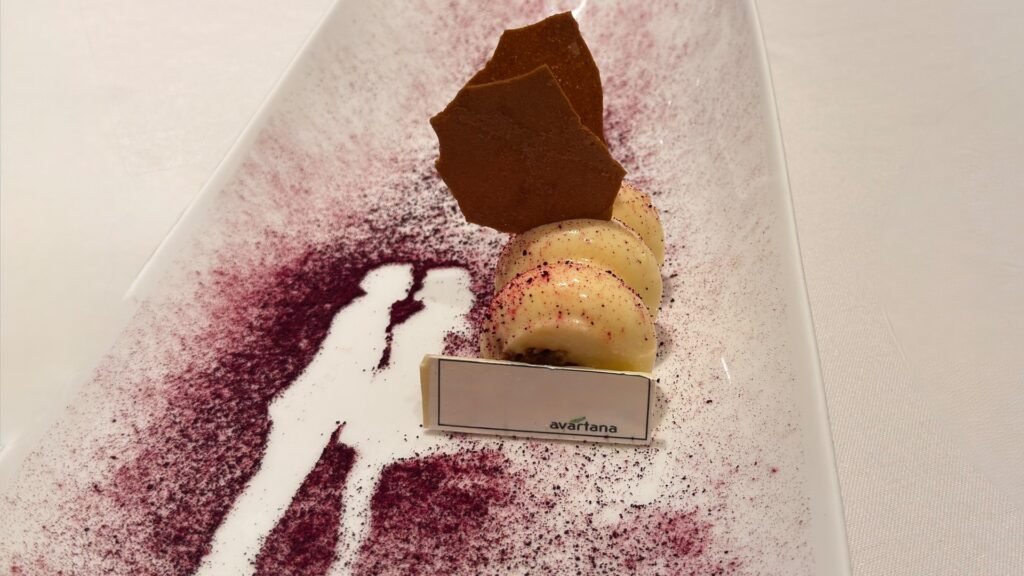
In our quest to dine at some of the best restaurants in India, we have covered several places from these lists, including Papa’s, Avartana, O Pedro, Americano, Veronica’s, Mizu Izakaya, and The Table. We have also dined at a few restaurants that are not featured on the Condé Nast Traveller’s list but, in our opinion, certainly deserve to be.
While the sample size is still relatively small (having visited around 8 of the 50 restaurants) and the overall experience has been largely positive, two particular restaurants raised some serious questions about how much trust one should place in these rankings and whether they truly reflect the dining experience.
Let’s first talk about the experiences, followed by the questions they inevitably raise.
The Experiences
Avartana, ITC Grand Chola, Chennai
Avartana is one of the most celebrated fine dining restaurants in India. It was ranked #4 by Condé Nast Traveller India in 2023, climbed to #1 in 2024, and dropped to #8 in 2025. It was also featured in the Asia’s 50 Best Restaurants list at #30 in 2023 and #44 in 2024, before dropping off the list entirely in 2025.
Interestingly, the year it disappeared from Asia’s 50 Best, Condé Nast Traveller India ranked it as the best restaurant in India. Since Asia’s 50 Best Restaurants is announced earlier in the year and Condé Nast Traveller India’s list is published later, the 2025 Condé Nast Traveller India rankings are contemporaneous with the 2026 edition of Asia’s 50 Best Restaurants.
We visited Avartana last year, when it held the coveted title of India’s #1 restaurant according to Condé Nast Traveller India.
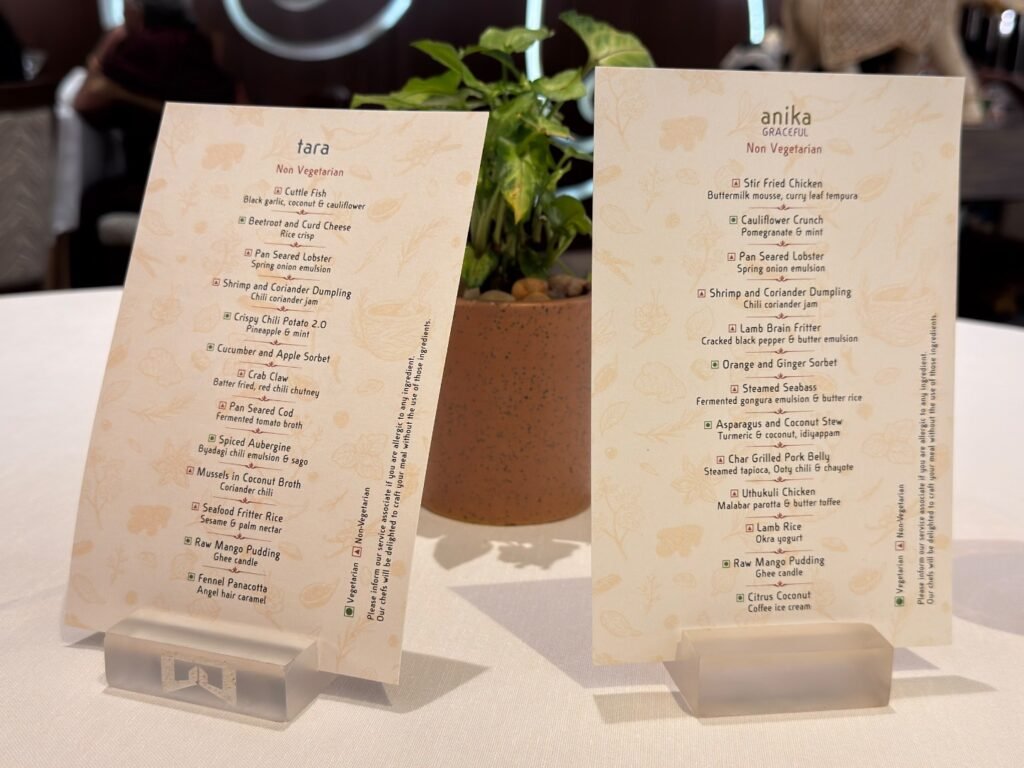
For our dinner at Avartana, we initially chose Jiaa and Anika, but unfortunately Jiaa was sold out, so we had to opt for the Tara and Anika degustation menus instead. Both were 13-course menus. While Tara was more seafood focused, Anika offered a mix of meat and seafood.
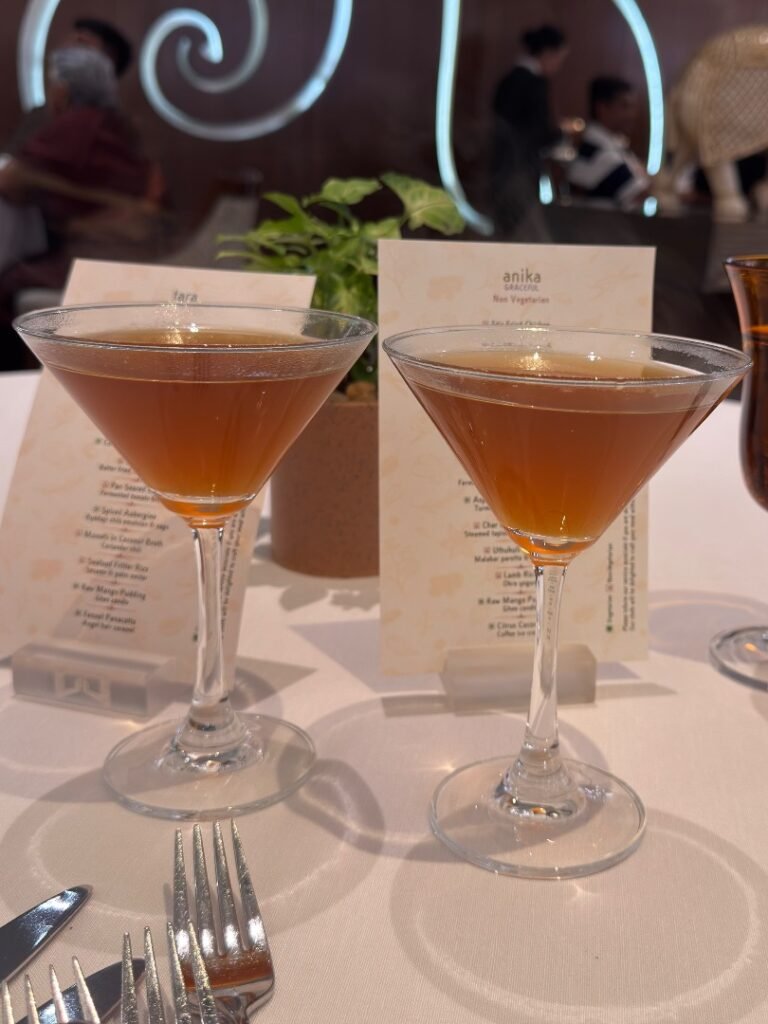
The evening began wonderfully with a crystal-clear, tangy french-pressed Rasam that immediately set high expectations. Looking back however, the rasam was unfortunately the highlight of the entire dinner.
It was one of those deceptively simple dishes that leaves a lasting impression. The broth was beautifully balanced, vibrant, and comforting at the same time. I was sipping it slowly to make it last a little longer. Unfortunately, nothing that followed managed to reach the same standard. I had initially planned to write about every course, but the entire experience made me change my mind and write about it from a broader lens.
The first issue was the quality of the ingredients. Several fried dishes throughout the tasting menu had a distinctly stale, off flavour, reminiscent of the oil you often find in roadside stalls. That lingering stale taste completely overshadowed the dishes. It is not something I would expect from any restaurant, let alone one carrying the reputation of being India’s finest.
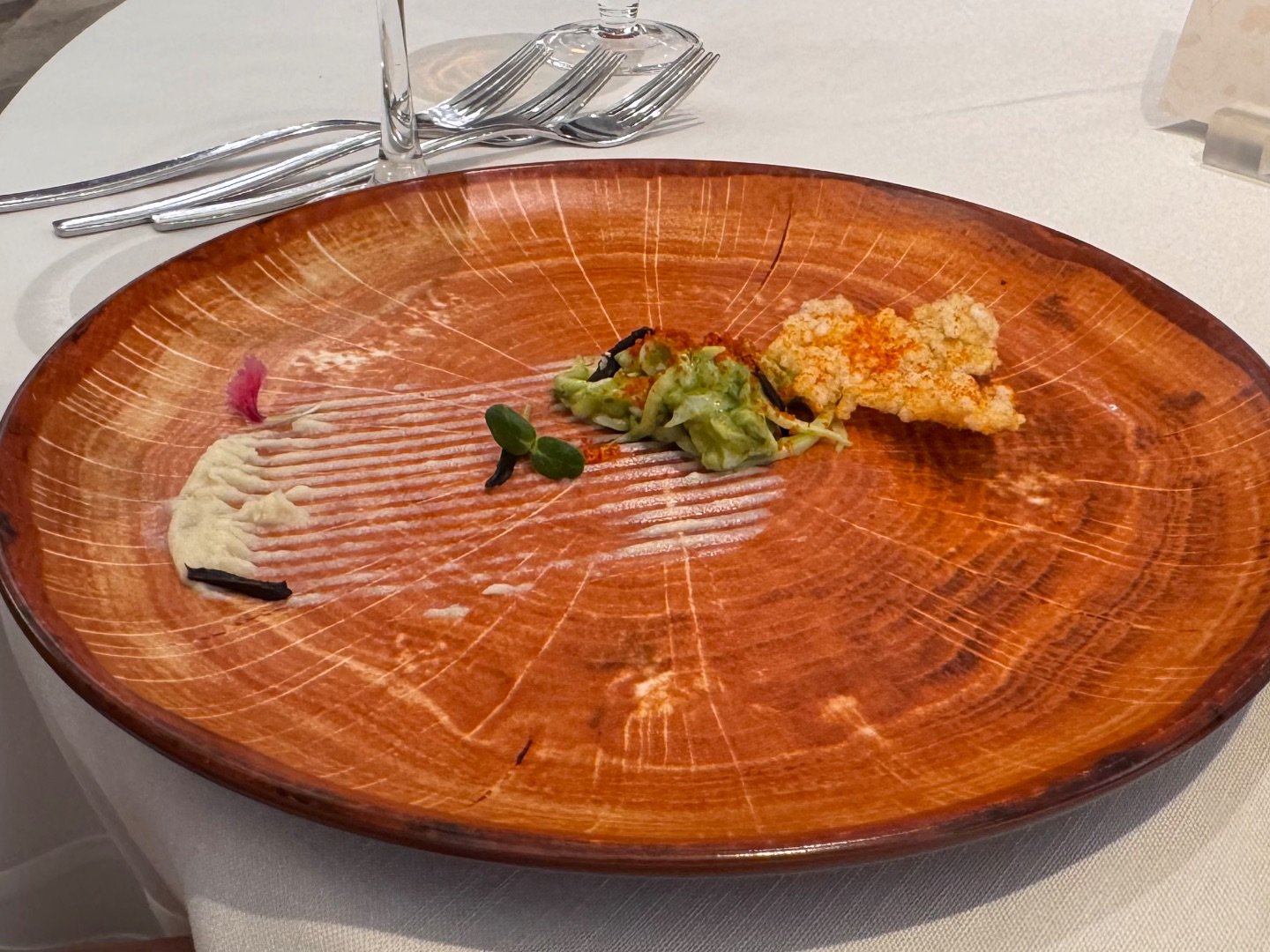
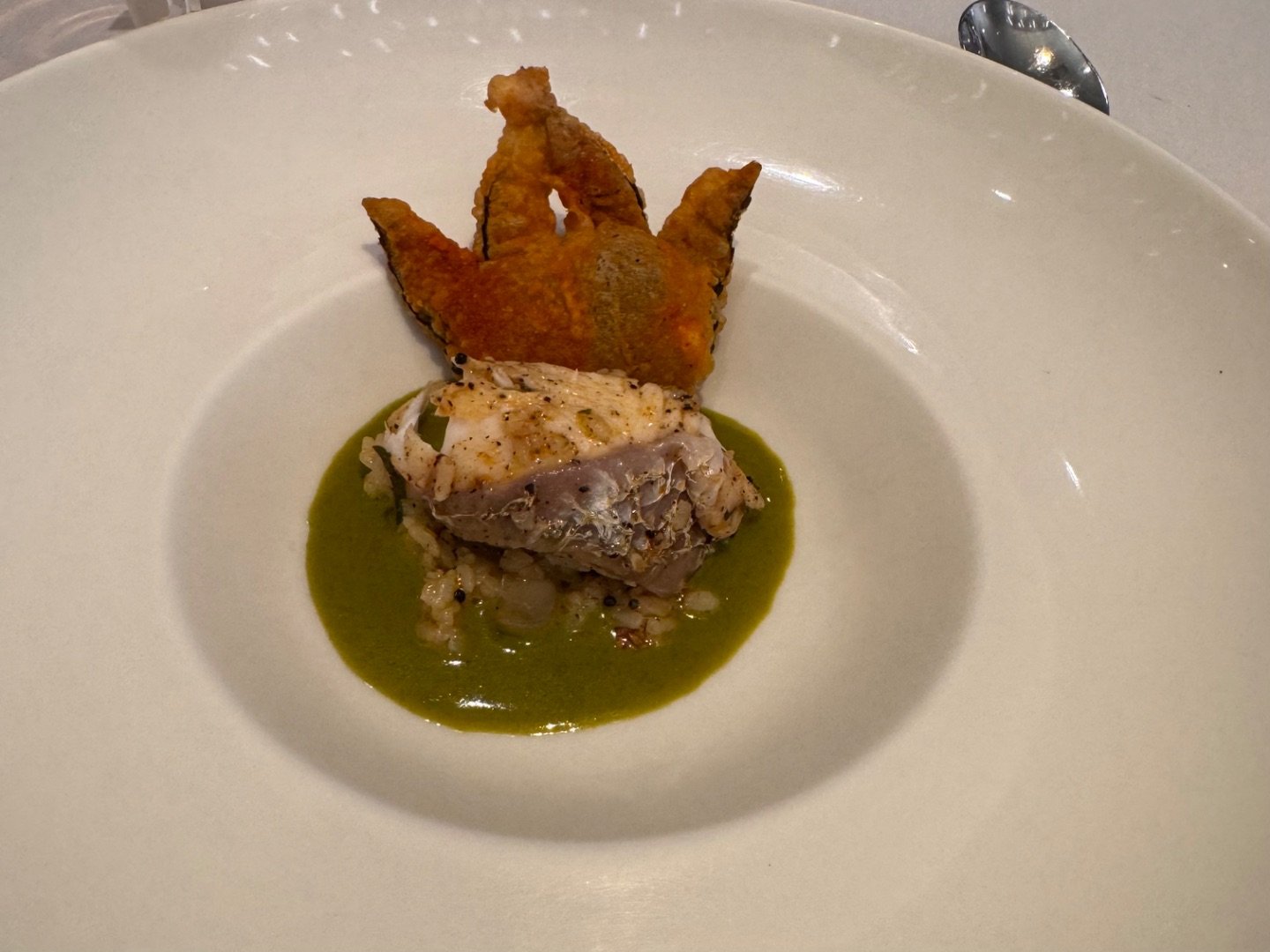
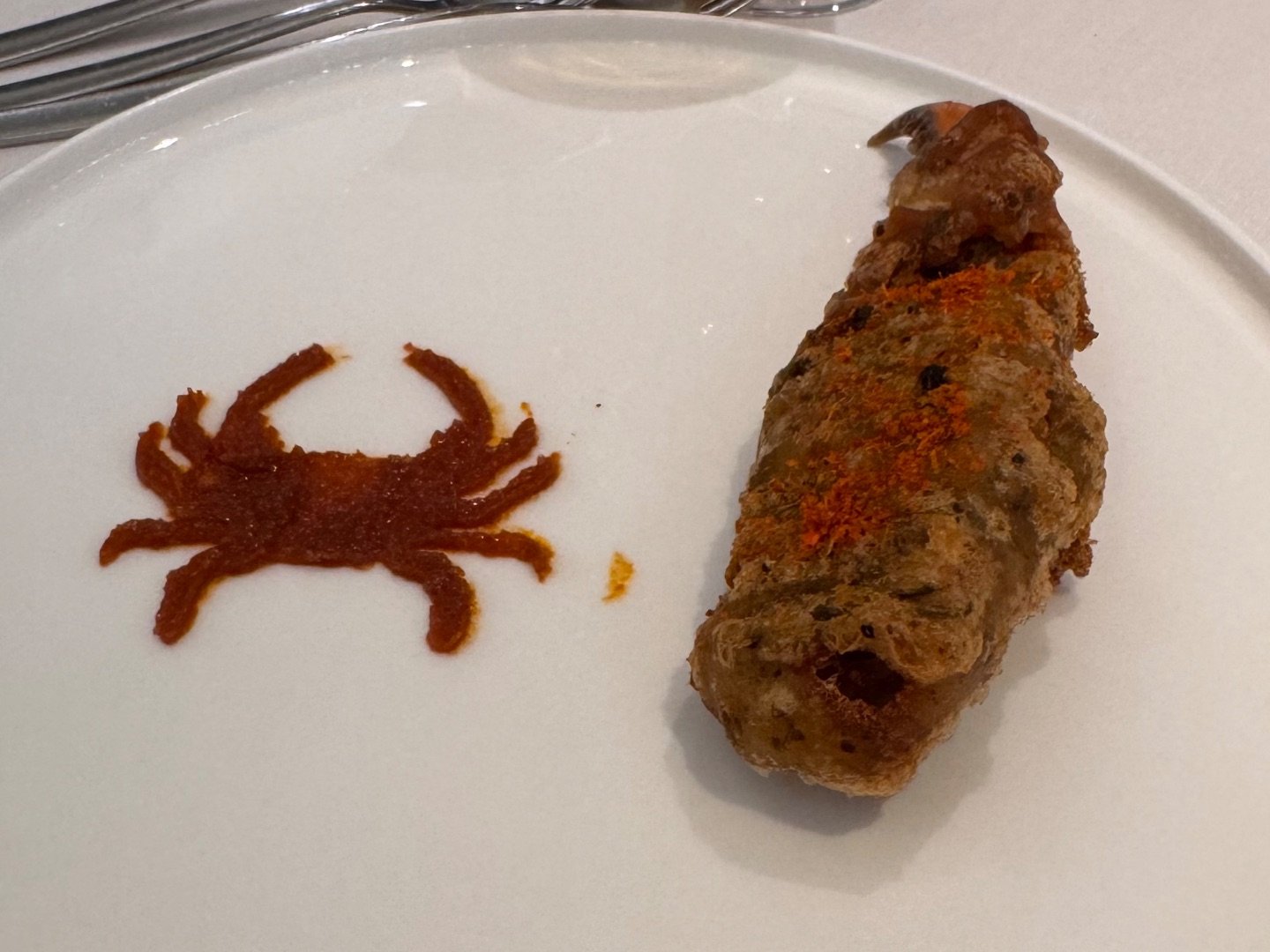
The service was equally disappointing. Fine dining is as much about pacing as it is about food, and Avartana struggled significantly in this regard. Despite reminding the staff multiple times, the pacing never improved, and we were repeatedly told that our next course was “just coming.” The dinner stretched well beyond three hours, and it genuinely felt as if we spent more than half of that time simply waiting between courses.
Midway through the dinner, an unexpected incident made the dining experience even worse. A malfunction in the restaurant’s ducting caused charcoal dust to fall from above. The charcoal unfortunately landed directly in the rasam, the one dish I was genuinely enjoying and was savouring. To their credit, the staff apologised and moved us to another table. However, they paid no attention to the spoiled dishes and did not even think of making up for it by replacing them.
I can forgive an unforeseen incident like the charcoal dust. Accidents happen, and no restaurant is immune to them. What is much harder to overlook is that the restaurant completely forgot to serve one course from both of our tasting menus. We had to point it out ourselves before they realised the mistake.
When you dine at a restaurant celebrated as India’s best and one that has consistently earned recognition on Asia’s 50 Best Restaurants, expectations are naturally high. I am usually willing to overlook the occasional mistake; every restaurant has a bad day. But this was not a single lapse. It was a succession of shortcomings, from poor ingredient quality and sluggish service to missed courses and a lack of attention to detail. Individually, each issue could perhaps have been excused. Collectively, they painted the picture of a restaurant that simply did not justify the accolades it had received.
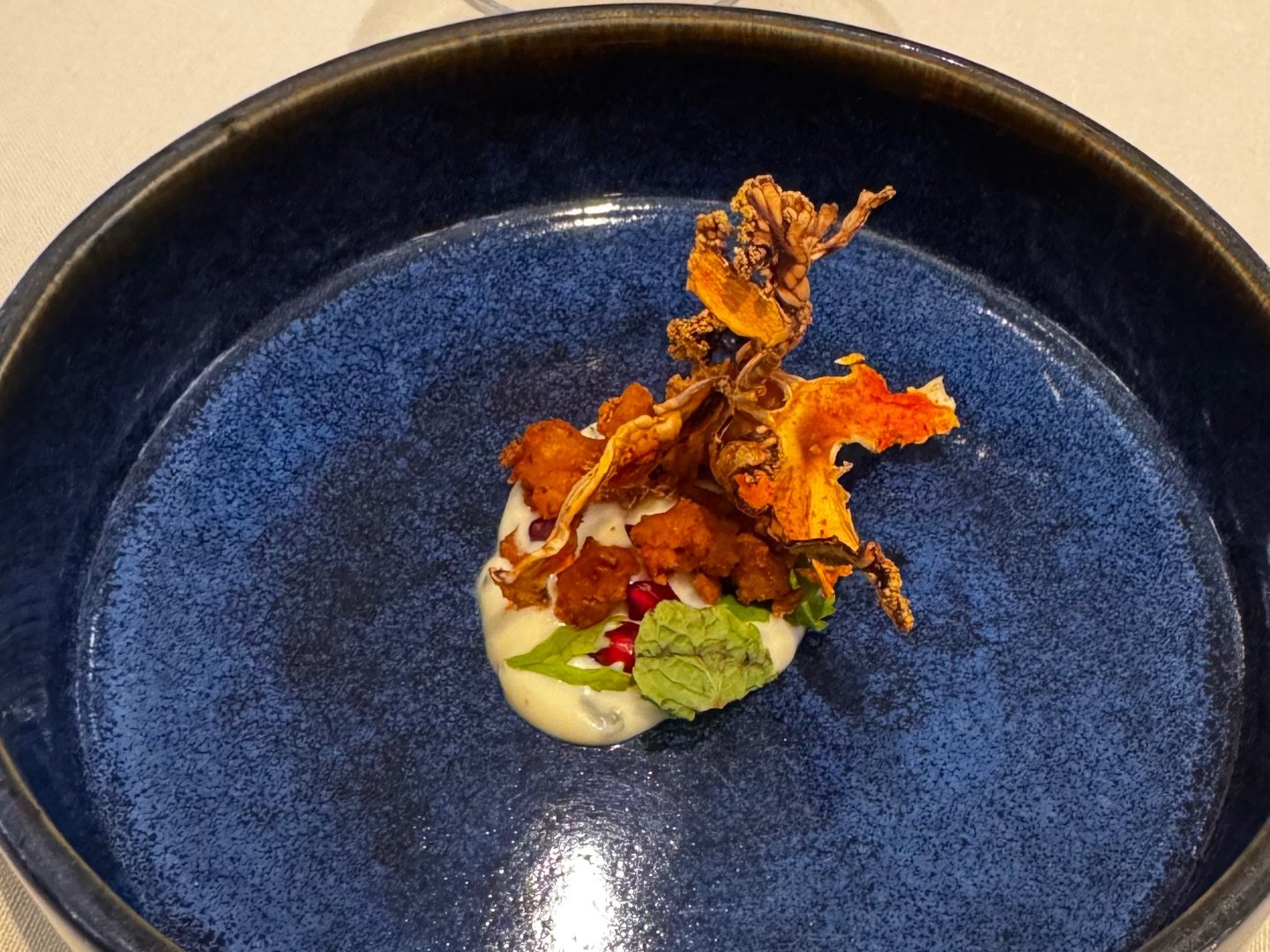
That said, not everything was disappointing. The presentation and the cutlery used throughout the dinner were really good, and I will also give them extra marks for the white tablecloth. Some of the dishes were very creative and executed well. Unfortunately, the quality of the ingredients and the service outweighed the good parts and diminished the overall experience.
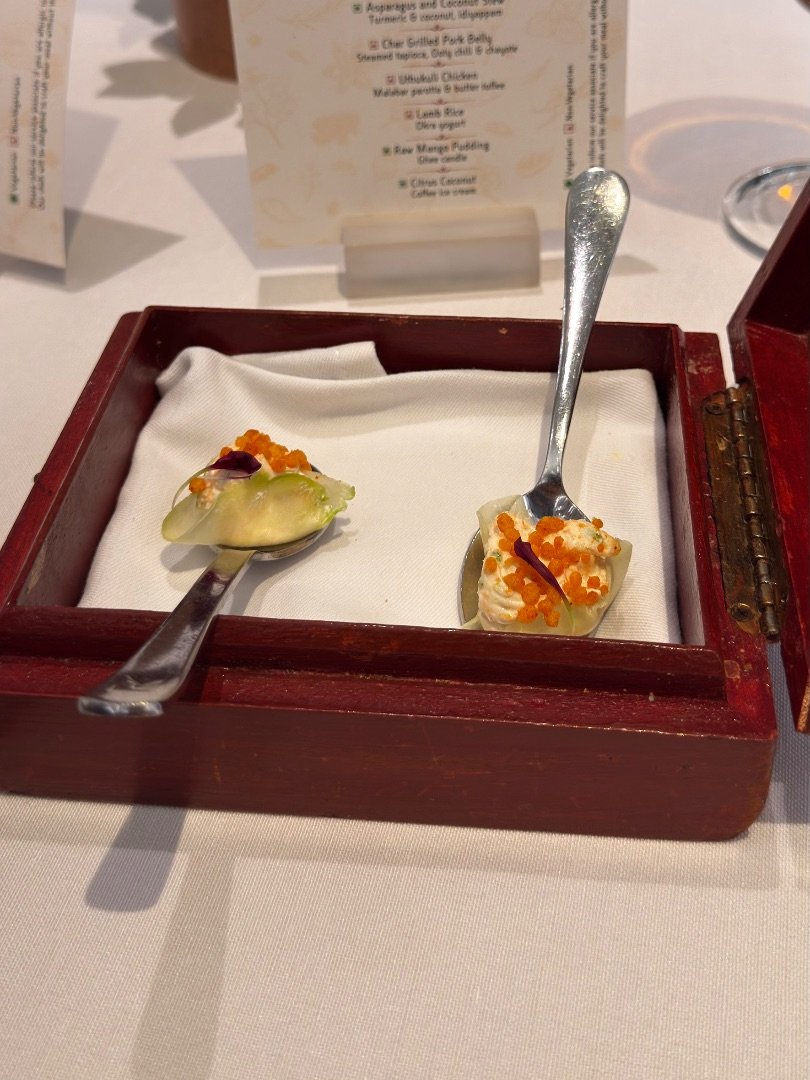
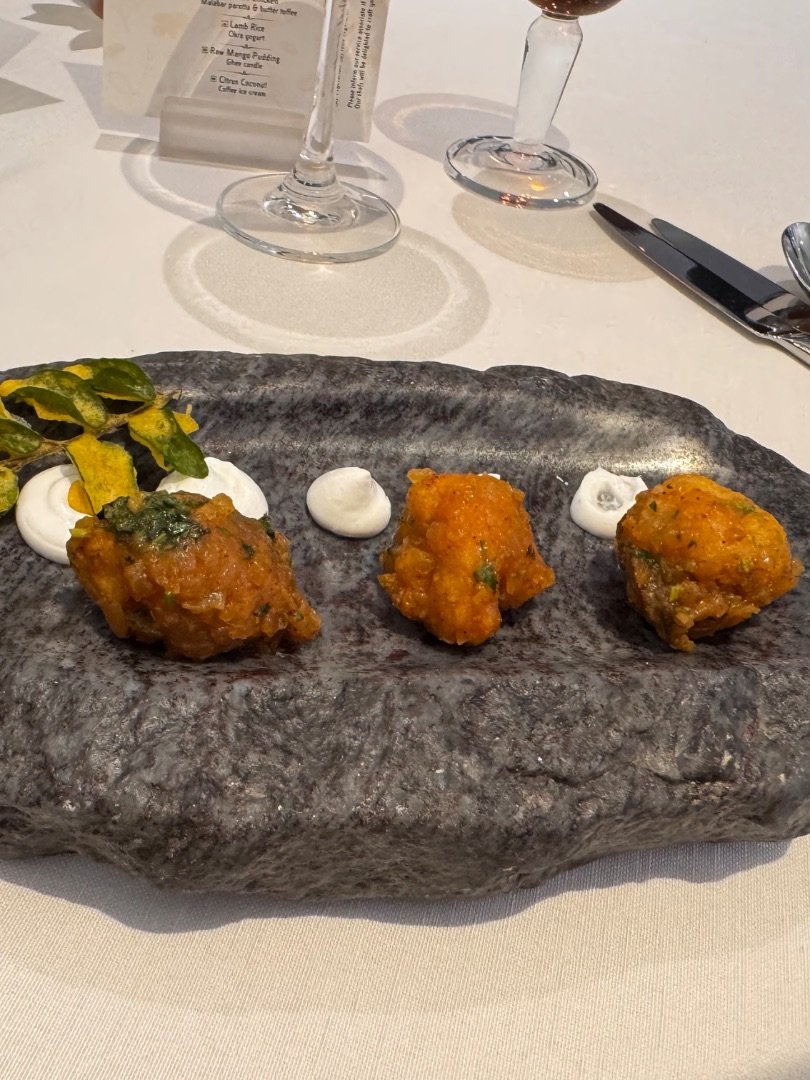
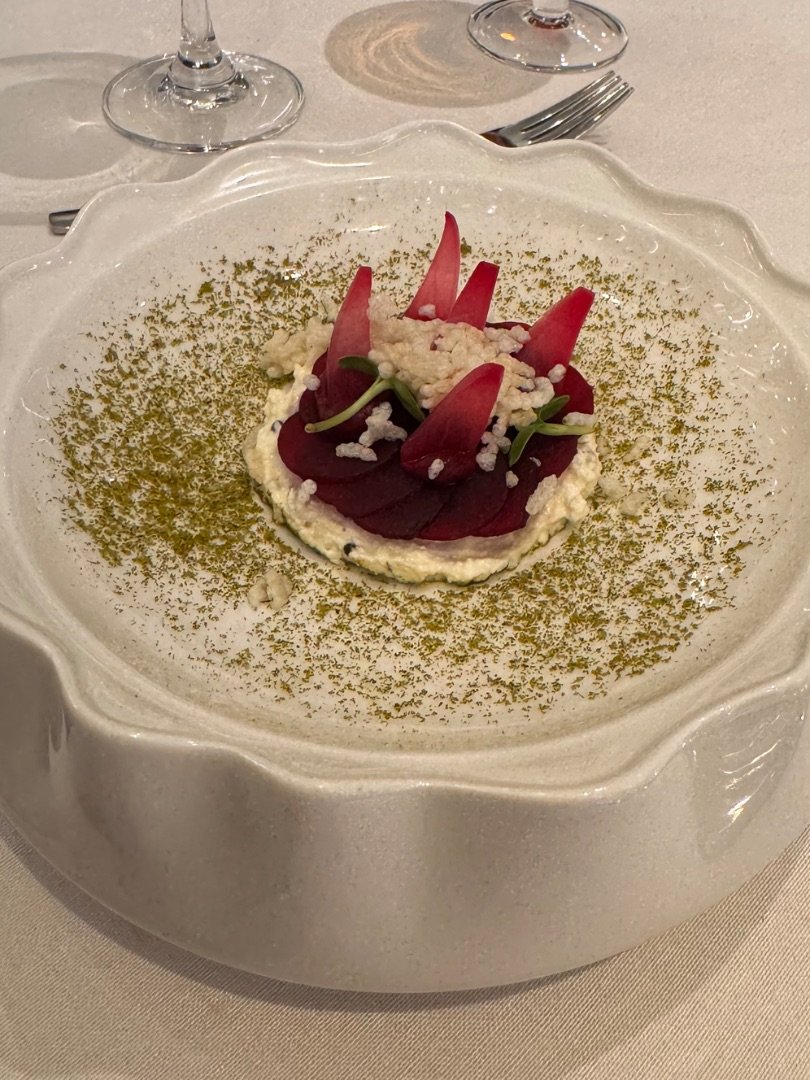
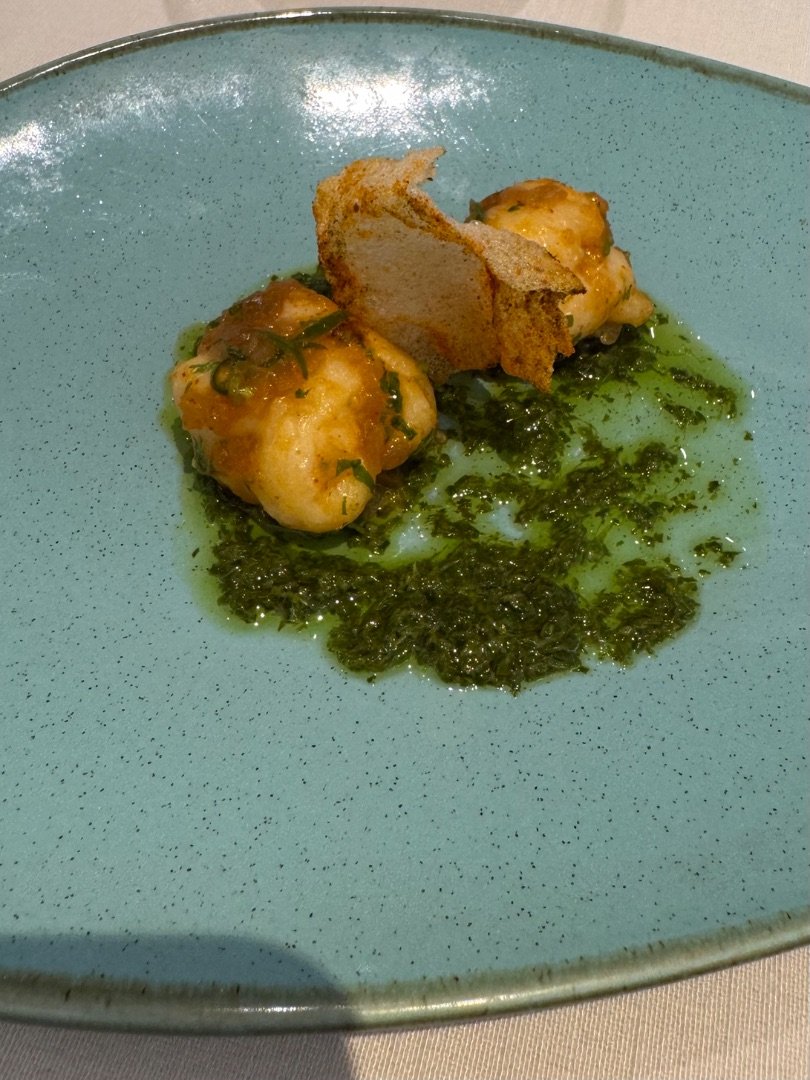
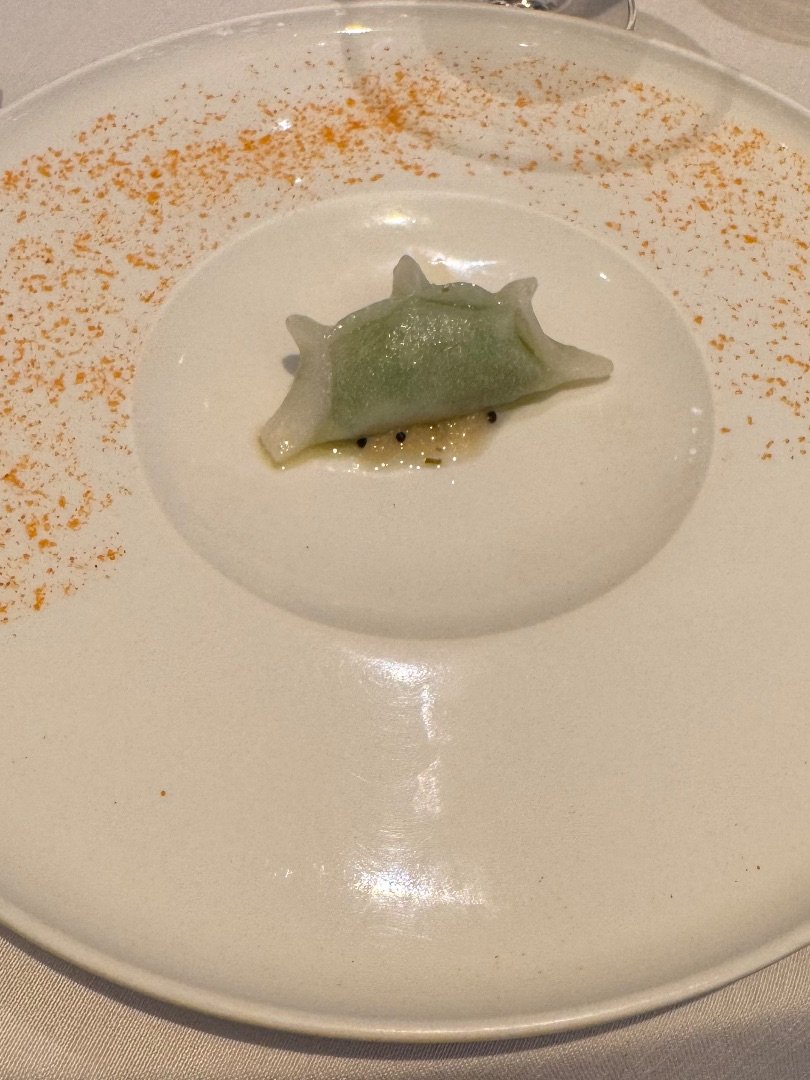
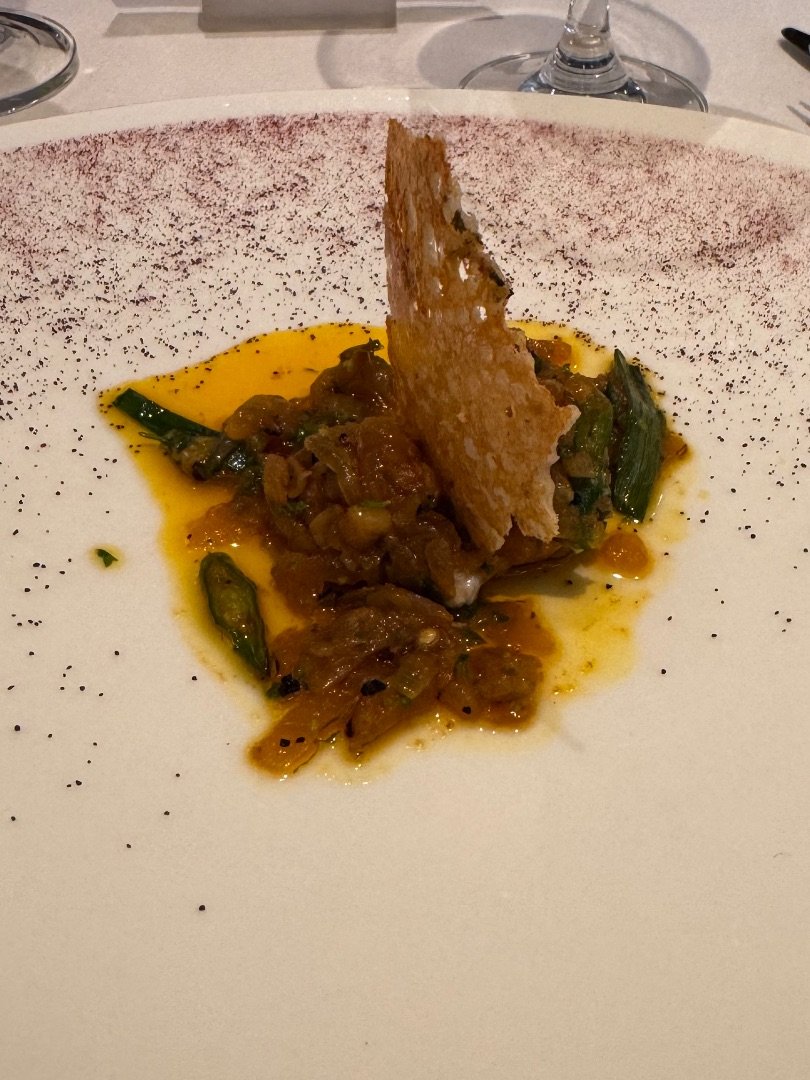
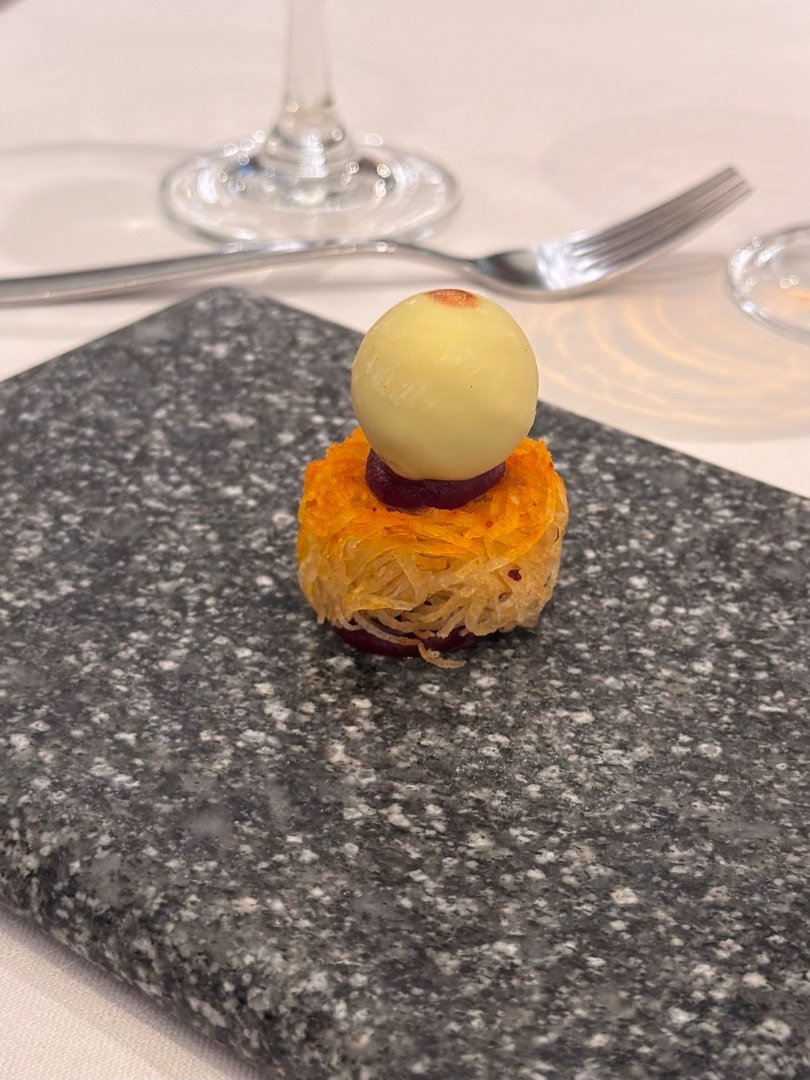
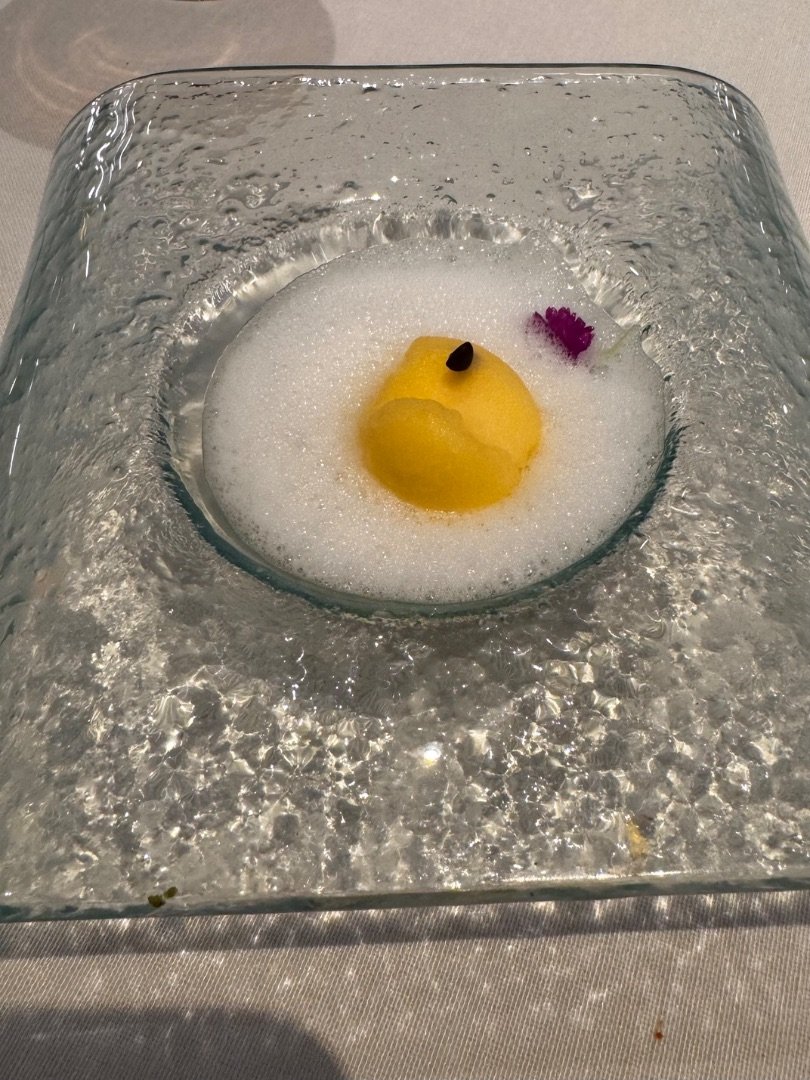
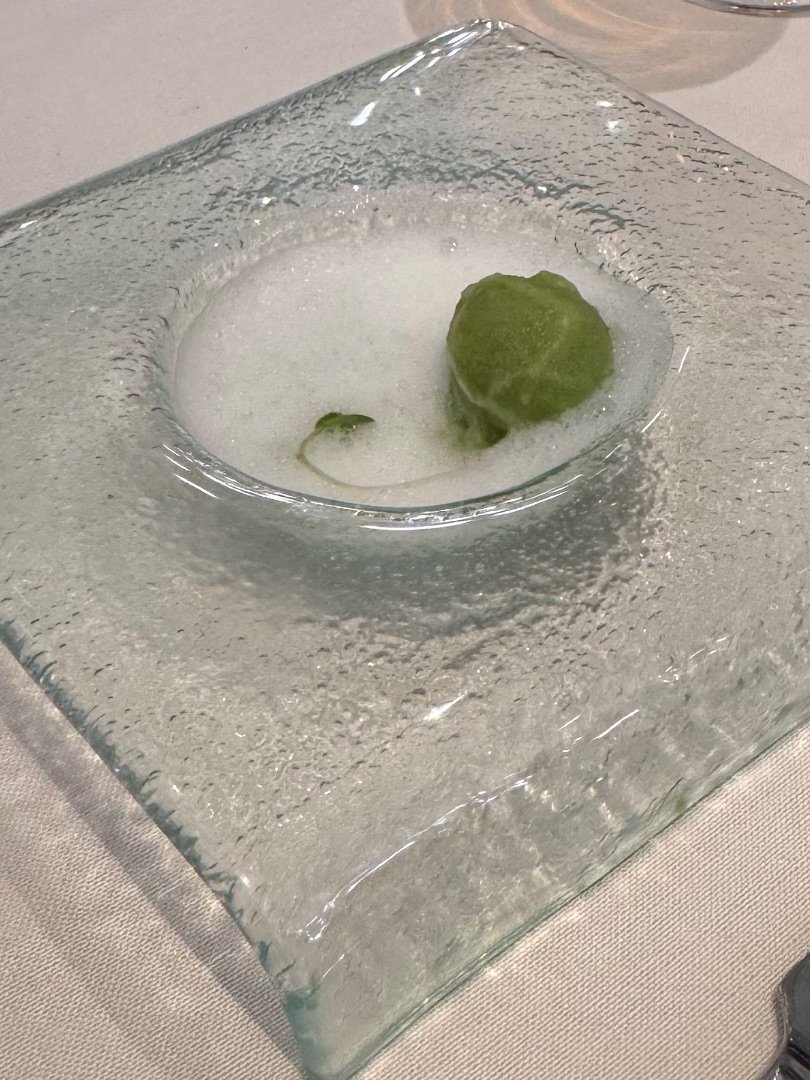
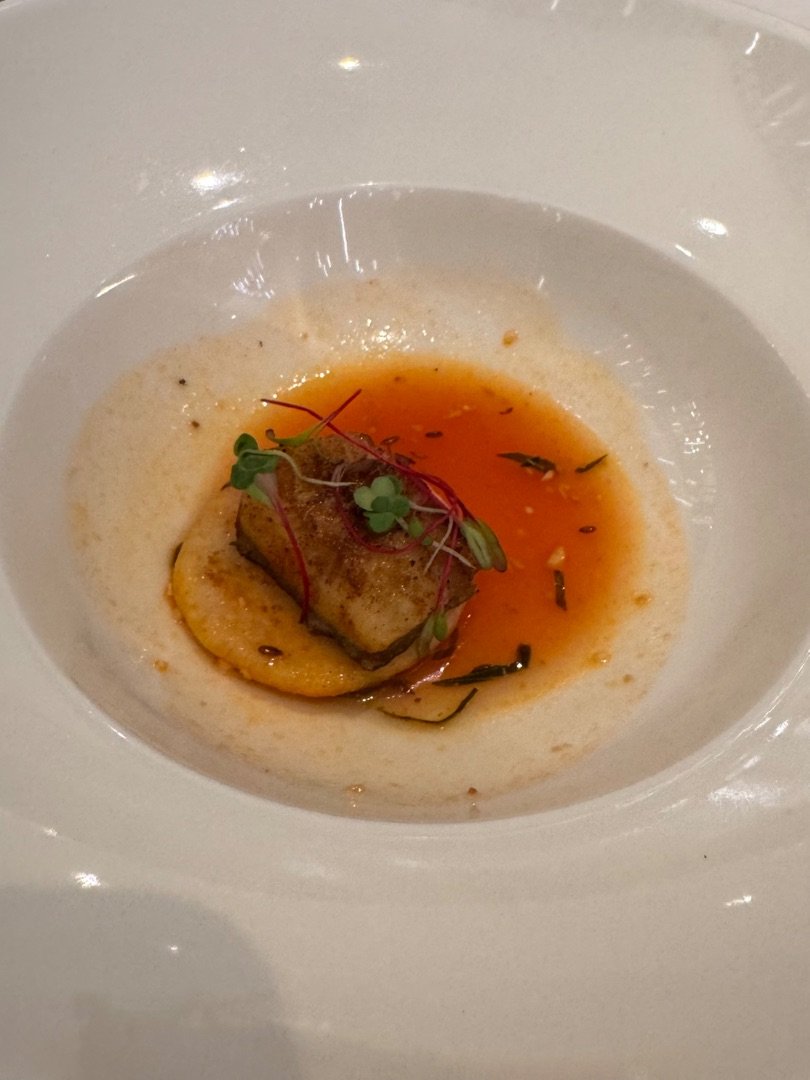
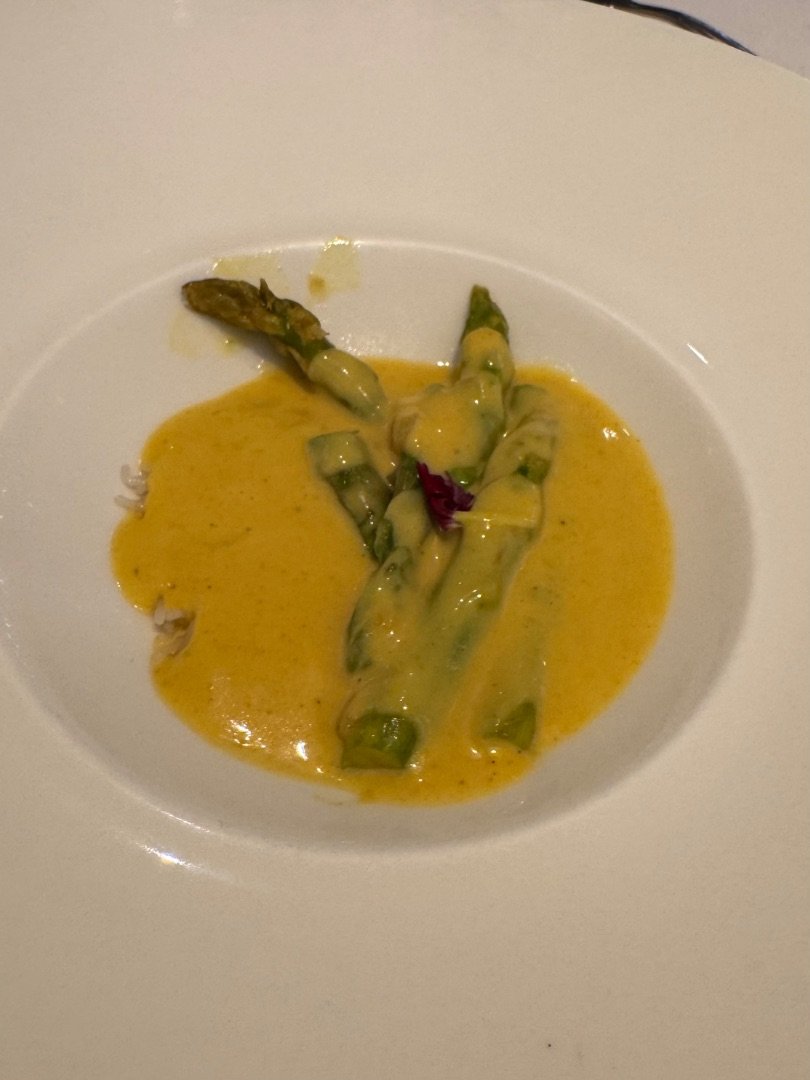
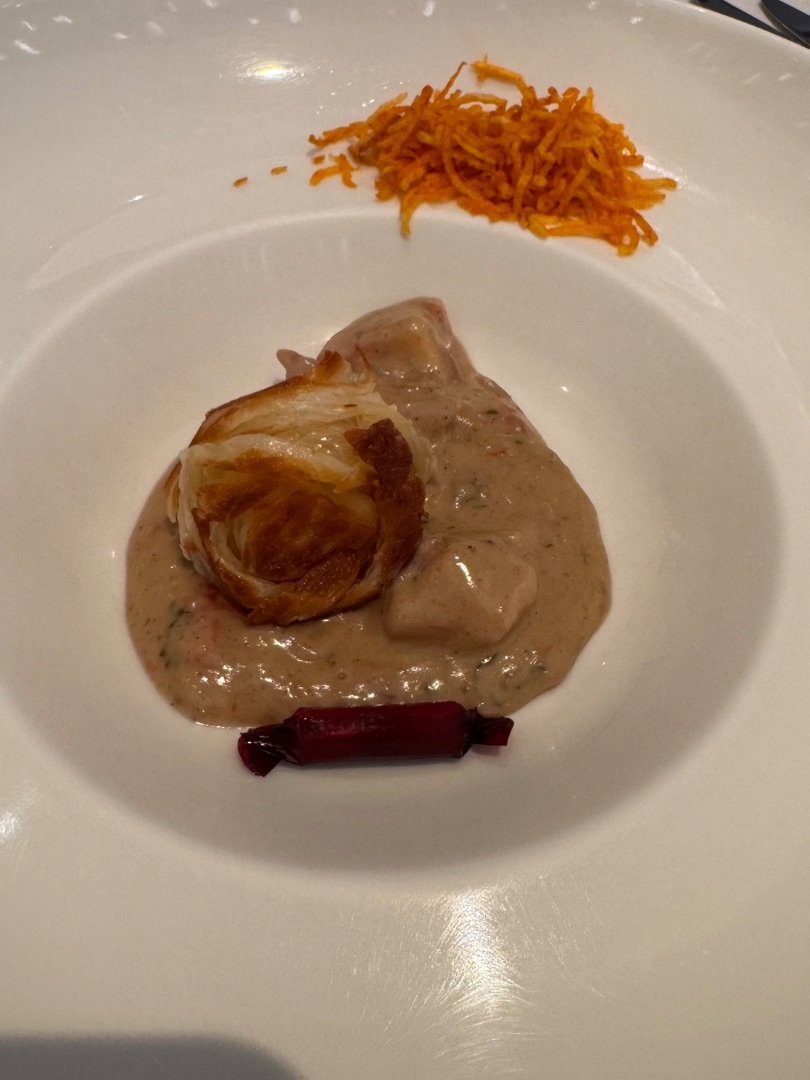
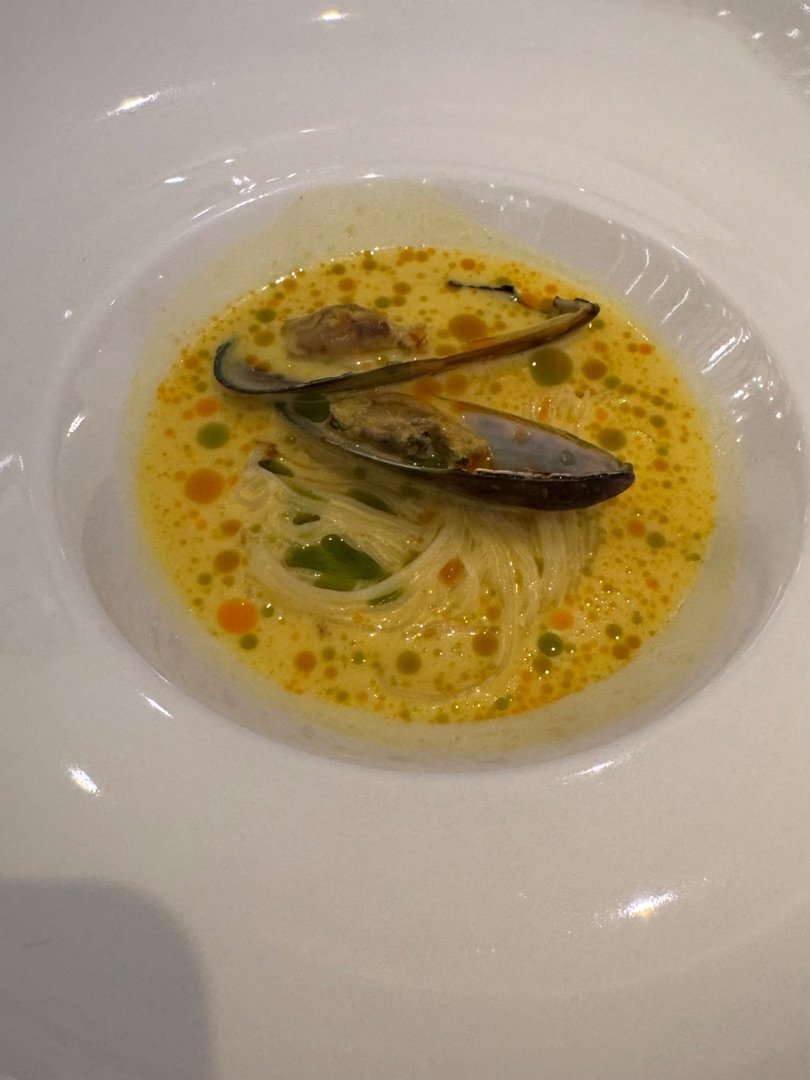
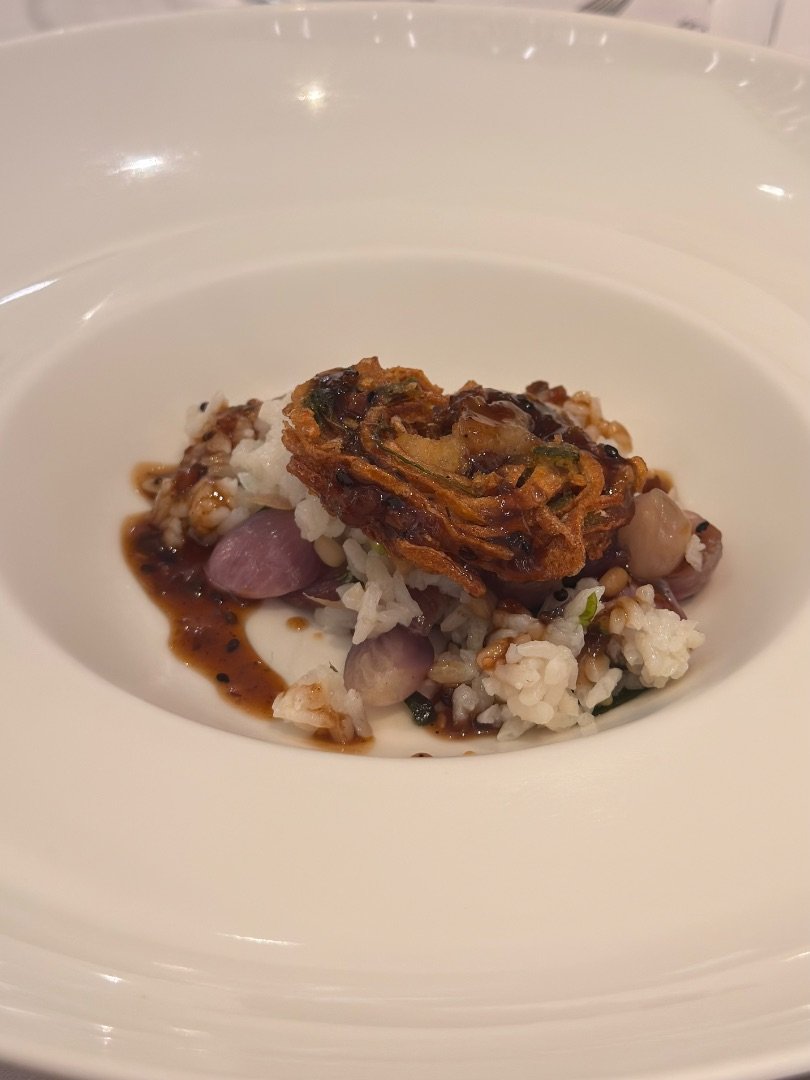
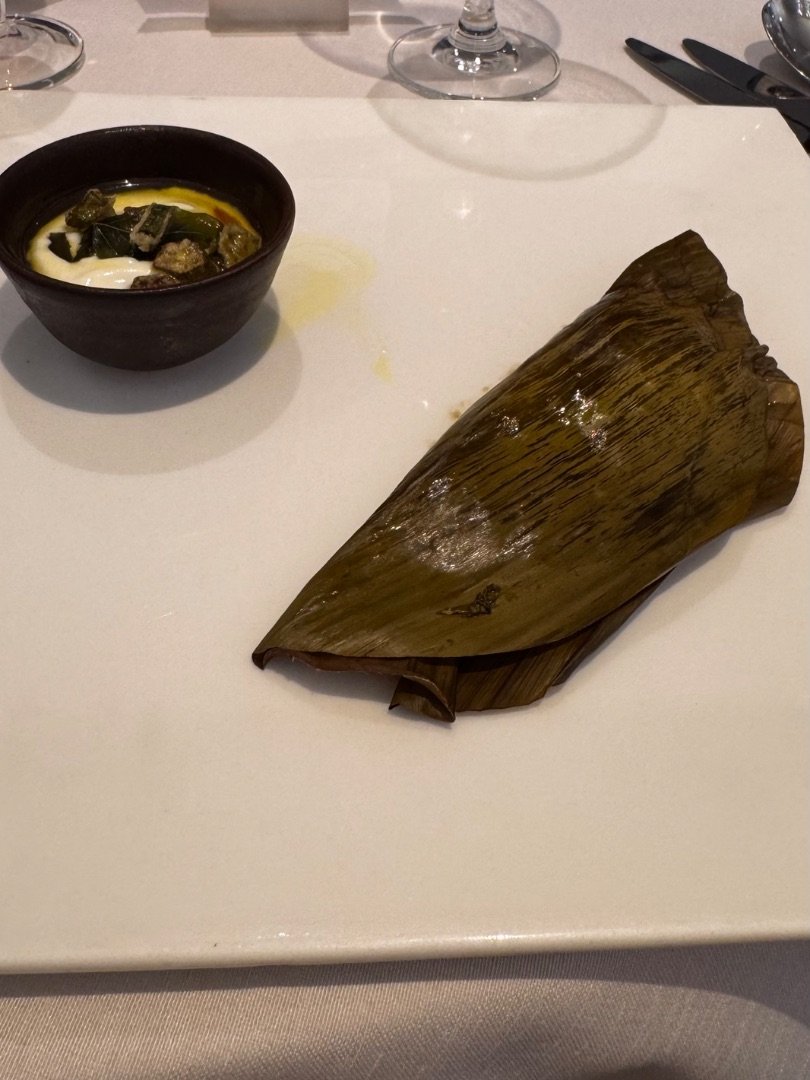
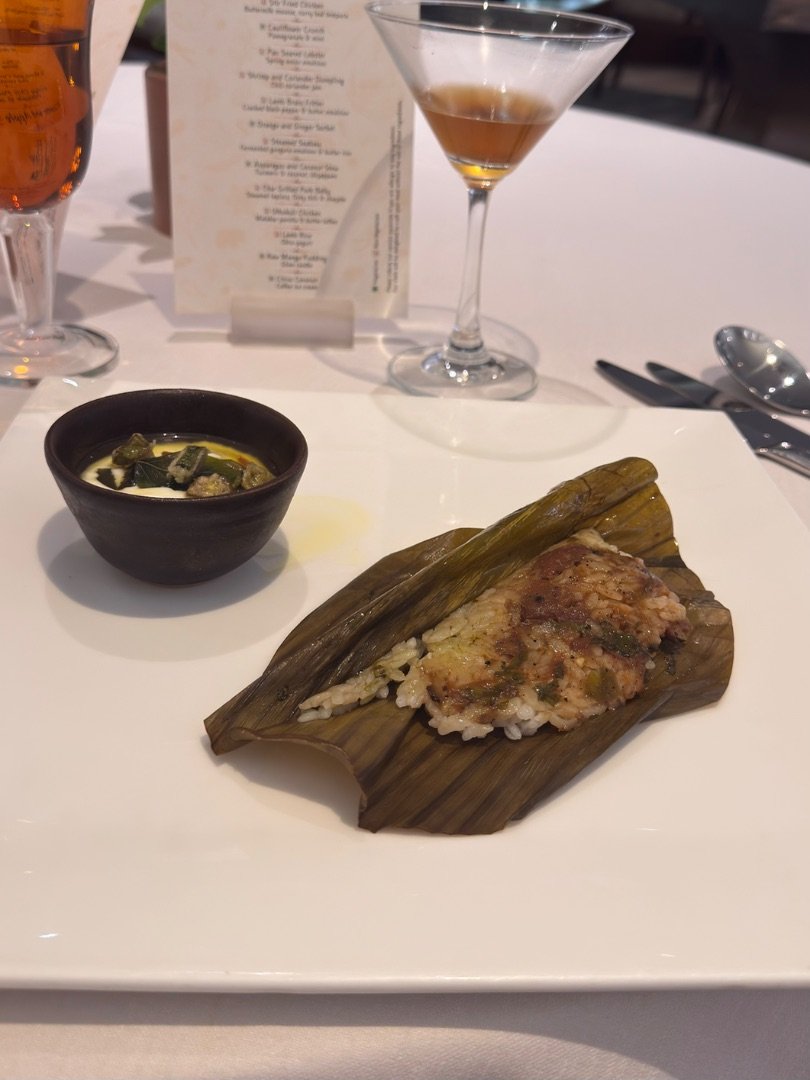
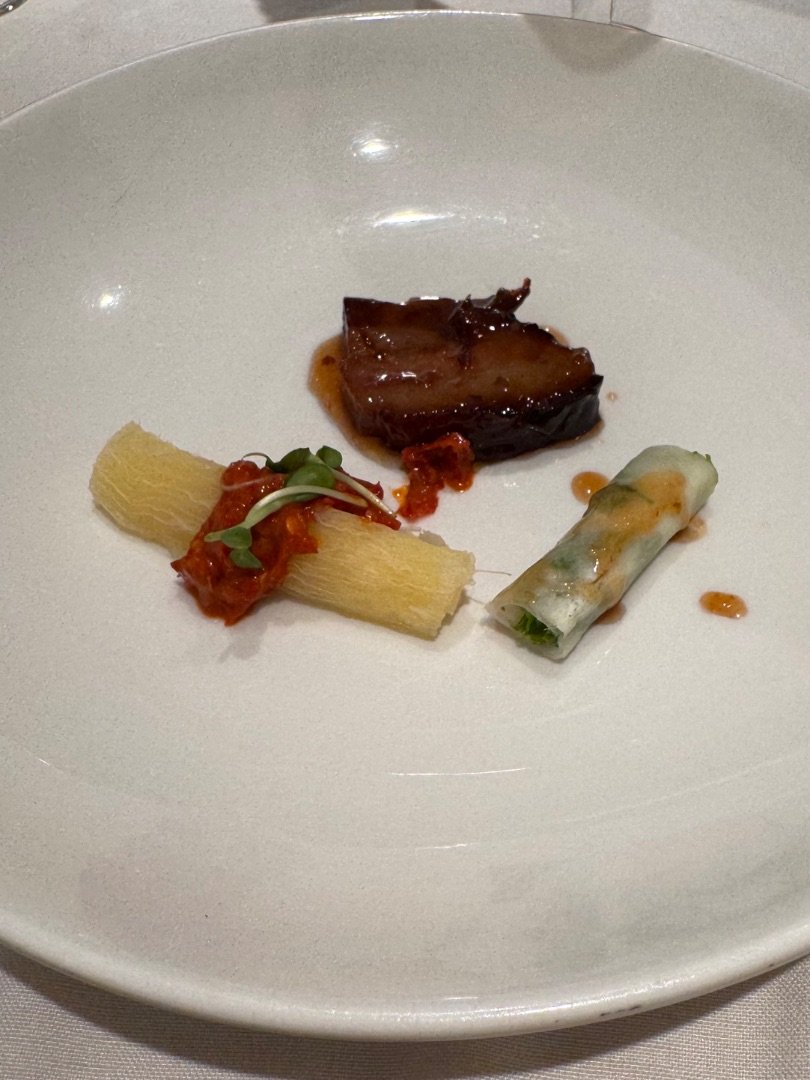
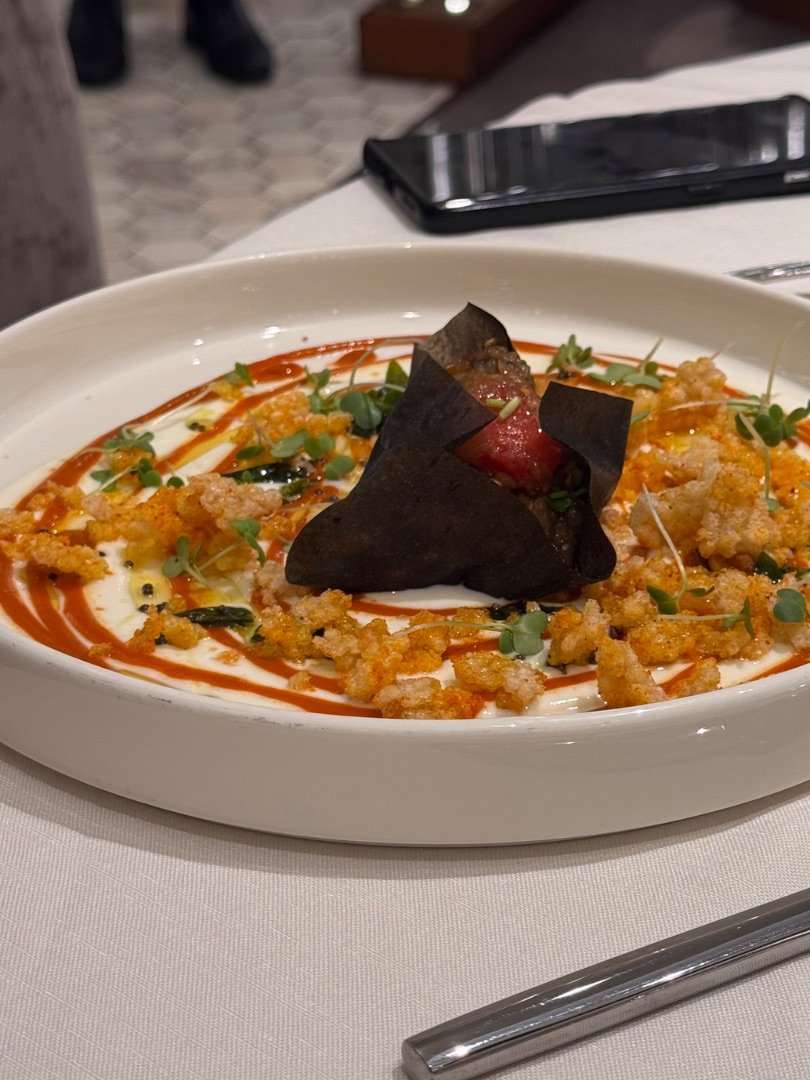
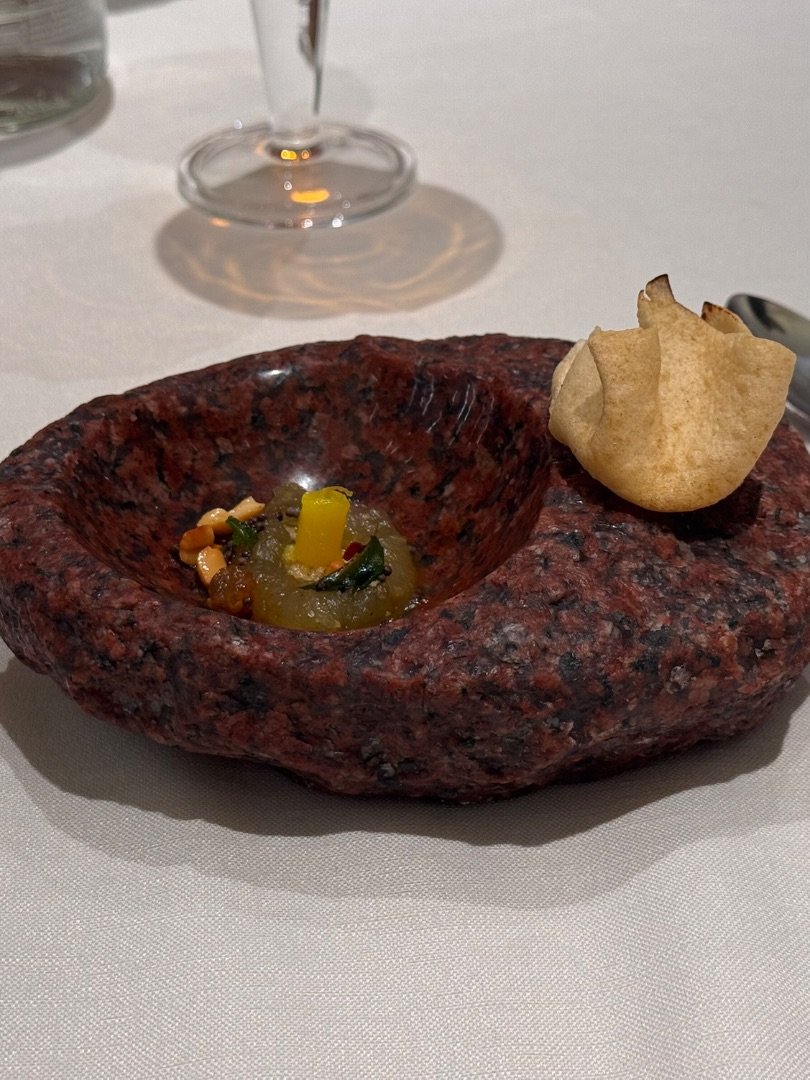
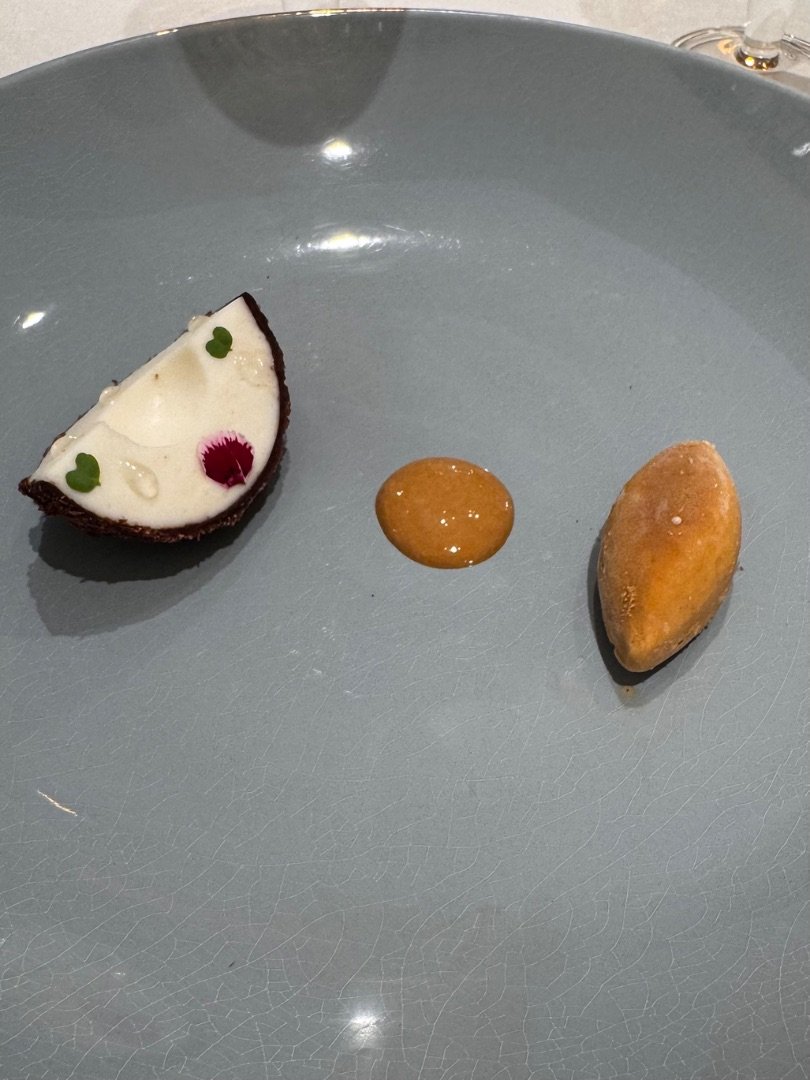
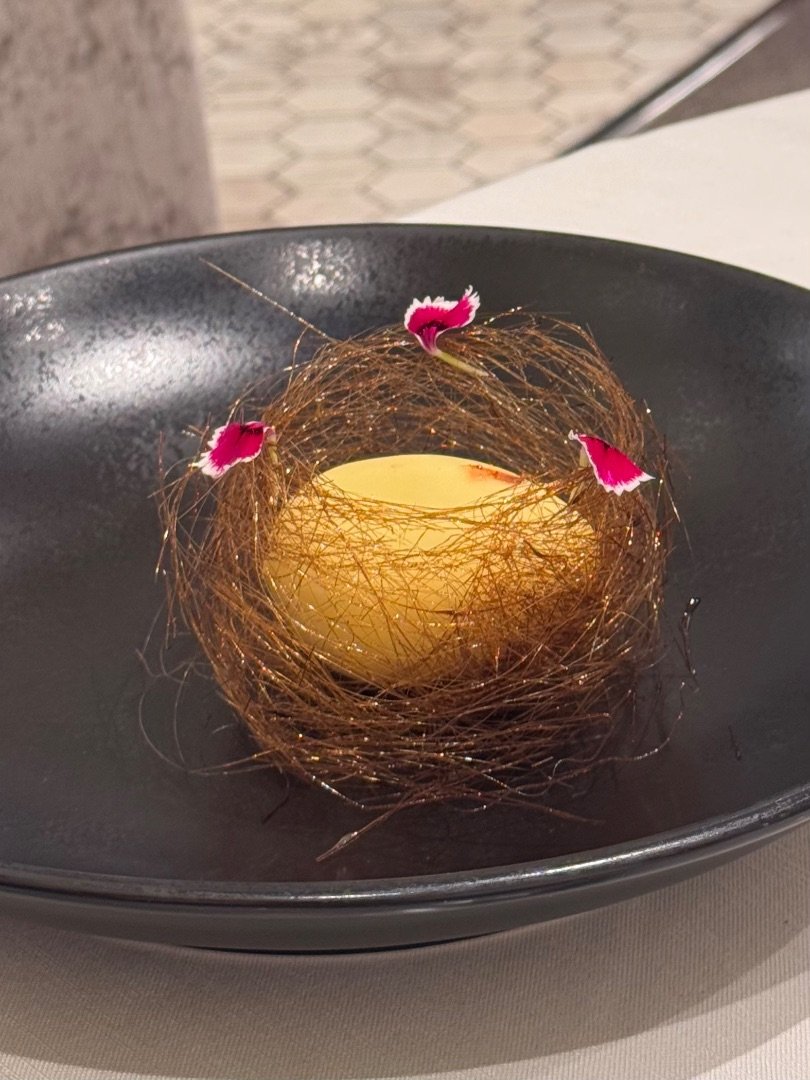
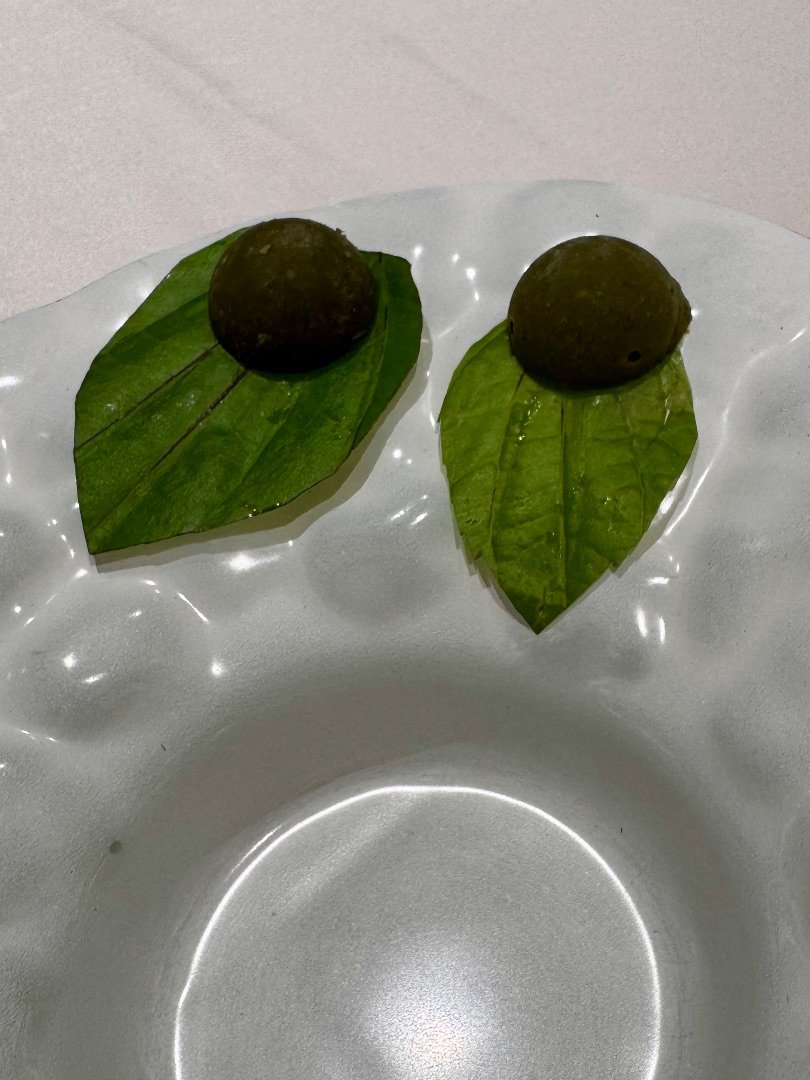
Swift left to view all dishes.
The Table, Colaba, Mumbai
Similar to Avartana, The Table is also one of the most celebrated fine dining restaurants in India. While Avartana serves only degustation menus, The Table offers an extensive à la carte menu.
The Table debuted on the extended Asia’s 50 Best Restaurants list at #85 in 2022, climbed to #78 in 2023, dropped off the list in 2024, returned at #88 in 2025, and improved to #73 in 2026.
On the other hand, Condé Nast Traveller India ranked them #10 in 2023, #2 in 2024, and #1 in 2025 in its Top Restaurants list.
The Table had been on our radar since 2024, when it was ranked the second-best restaurant in India. When it climbed to the top spot in 2025, we couldn’t wait any longer and finally decided to pay it a visit.
Compared to the other fine dining restaurants we have been to, getting a reservation was surprisingly easy. We booked a table just a few hours before dinner and were accommodated without any difficulty. The restaurant itself felt a bit cramped, with seating spread across the ground and mezzanine floors.
The Table is one of those restaurants that embraces the farm-to-table philosophy. They claim that most of the ingredients they use come from their farm in Alibaug.
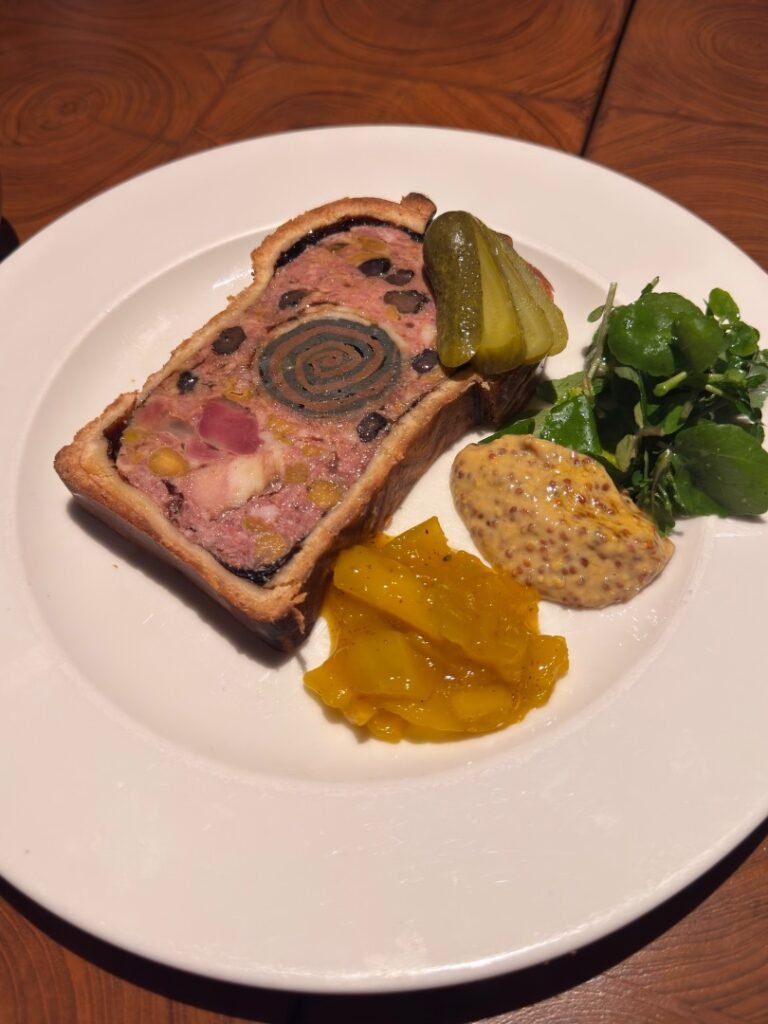
We started our dinner with A Very Fancy Pâté en Croûte, which consisted of smoked pork and goose liver. This dish is featured on almost every luxury food ranking platform and article about The Table, and that made me want to try it. It arrived with pickled cucumber, tangy-sweet mango chutney, whole-grain mustard and watercress.
The dish was served cold, and unfortunately the outer layer tasted exactly like cold bread, with a crumbly texture that I personally did not enjoy. The smoked pork itself was fairly average, so I waited until I reached the spiral of goose liver at the centre before making up my mind. The liver was better than the pork, and I genuinely tried to acquire a taste for it, reminding myself that I was dining at India’s best restaurant. By the end, I could only describe it as an okay dish. I also felt that the accompaniments failed to complement the dish and instead distracted from it.
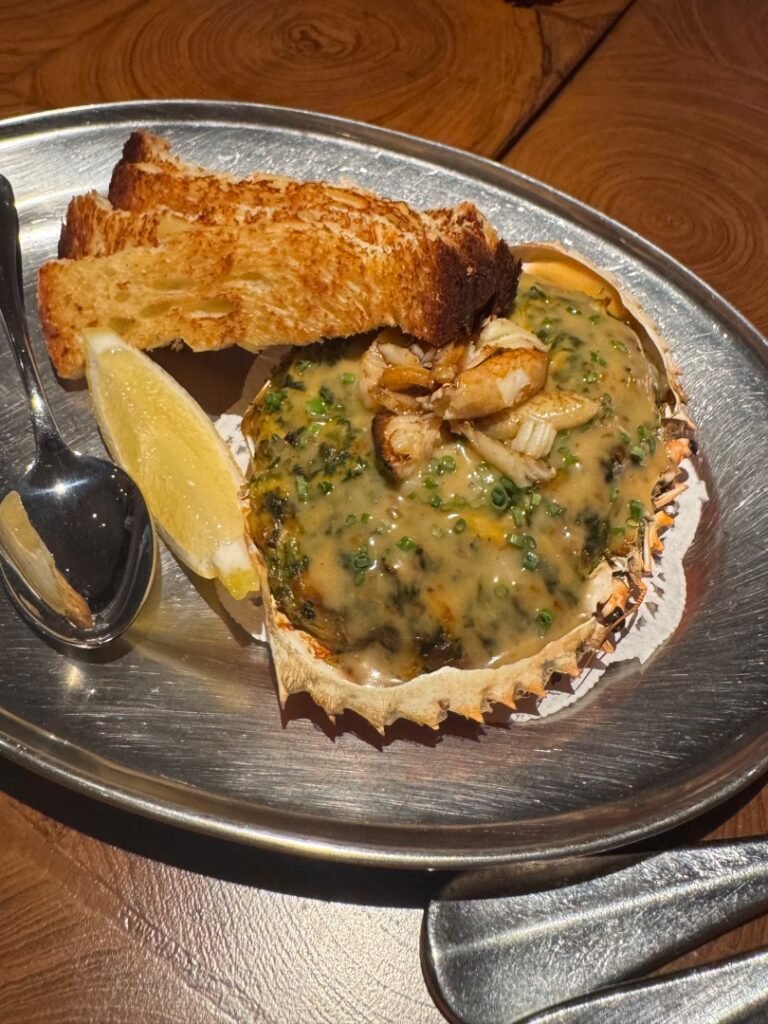
The next dish was Crab Rockefeller. Crab meat in a rich buttery sauce with finely chopped greens, served on top of an oyster shell alongside toasted brioche. The flavour profile was rich and well balanced.
The dish in itself was good, what disappointed me was the presentation. The dish was served on a heavily scratched stainless-steel plate that looked like it belonged in a cheap roadside bar serving snacks rather than at one of India’s most acclaimed restaurants. Even the oyster shell could not save the presentation. The serving plate simply felt like an afterthought.
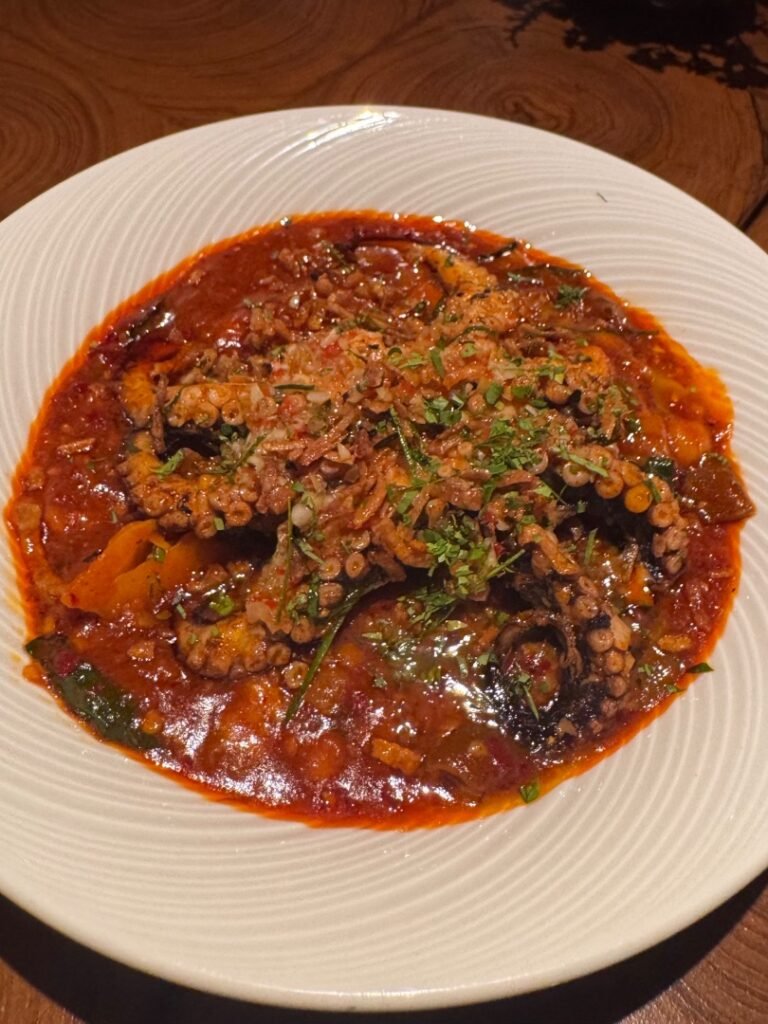
Our third dish was Grilled Octopus. This was the first time either of us had tried octopus, so we did not know what to expect. The octopus itself was chewy, with a heavily spiced sauce that helped carry the dish.
Having since eaten both cooked and raw octopus in South Korea, I cannot help drawing a comparison. The quality of the seafood there was on an entirely different level. The natural flavour of the seafood (and meat) was so pronounced that excessive seasoning almost felt unnecessary. In comparison, I often find that seafood in India relies far more on spices and preparation than on the inherent quality and freshness of the ingredient itself.
We then ordered one of The Table’s signature dishes, the French Onion Burger, along with extra bone marrow.
The burger arrived after some time, but the bone marrow didn’t. When we enquired about it, the waiter actually questioned whether we had ordered it in the first place. Earlier, he had also forgotten our preference for rare or medium rare and had to return to reconfirm it. Unfortunately, we had to wait while the bone marrow was being prepared, and our burger was getting cold.
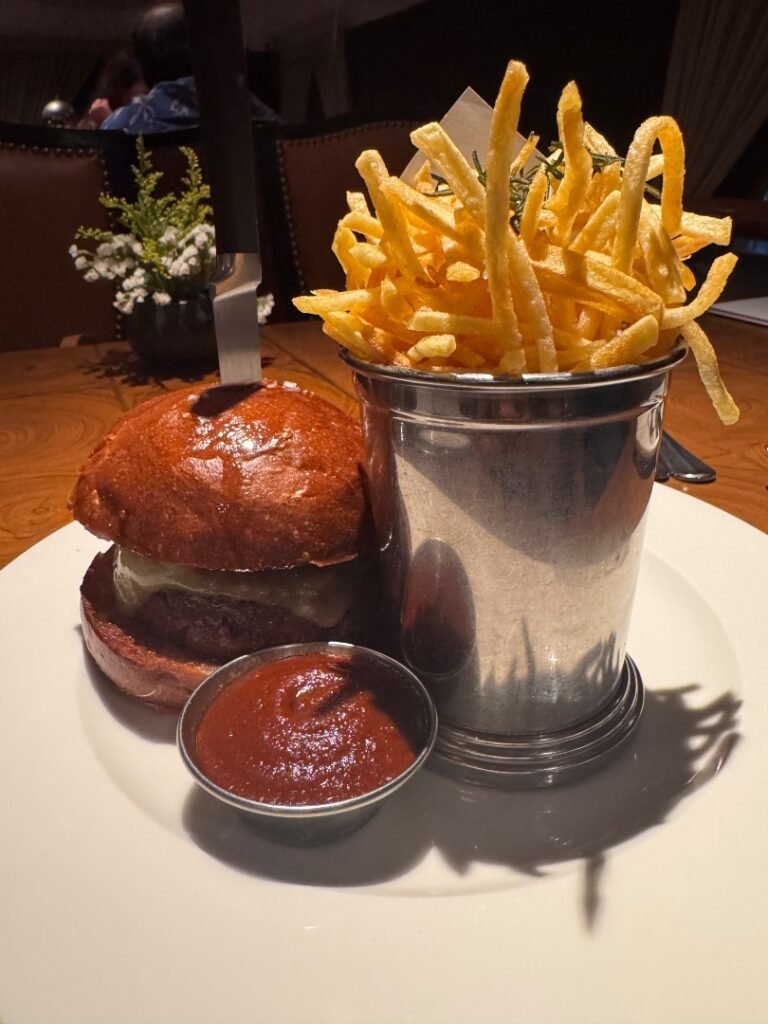
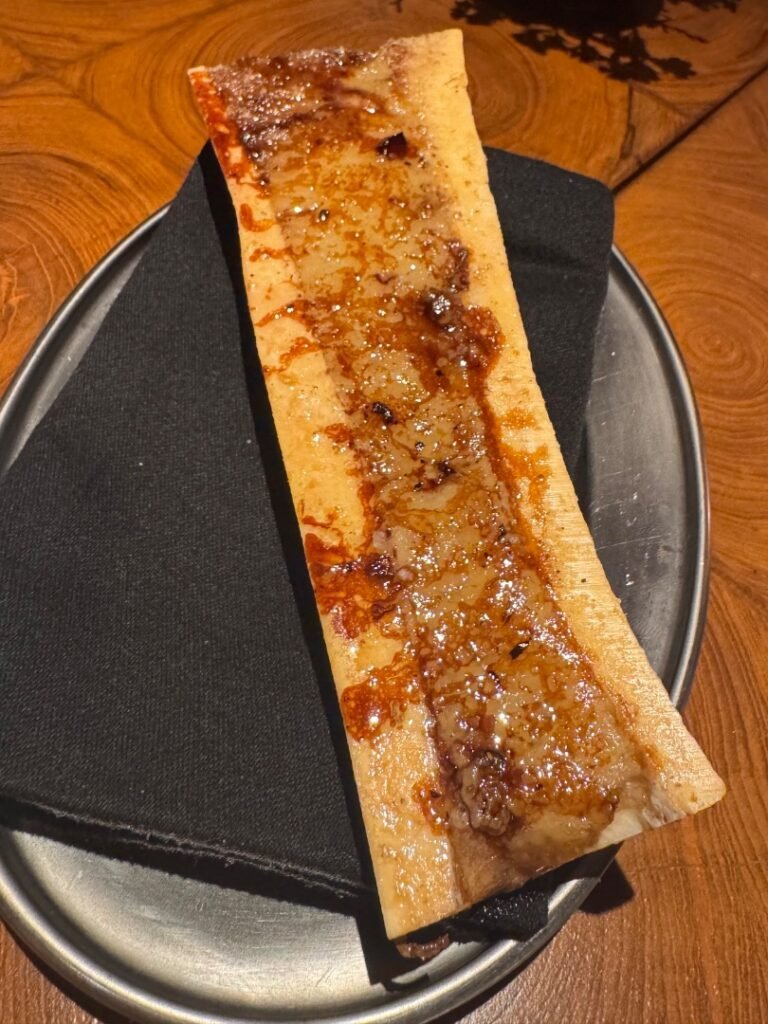
The burger was decent. The patty was cooked well, topped with melted cheese, and overall it was a decent burger. However, the extra bone marrow was far too little and hardly enough for the burger. The burger was also accompanied by French fries, which were just okay, and we barely touched the fries. Once again, the dish lacked presentation, and the bone marrow was served on another (or maybe same, who knows) heavily scratched stainless-steel plate.
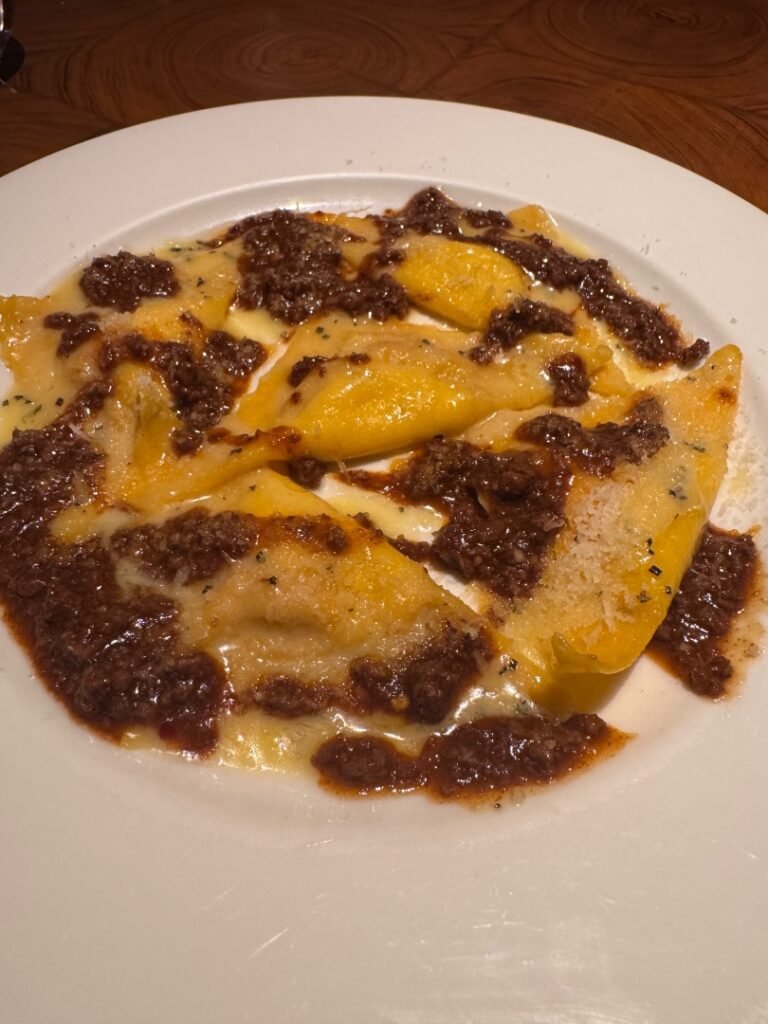
Before moving on to the desserts, we ordered one final savoury dish, Calf’s Brain Tortelli.
It was our first time trying calf’s brain, so again, we did not know what to expect. The calf’s brain was extremely rich and fatty with delicate subtle flavours, and it was served with veal & red chilli ragout. The richness of the fat became the defining characteristic of the dish. Overall, it was a decent experience of trying a new dish.
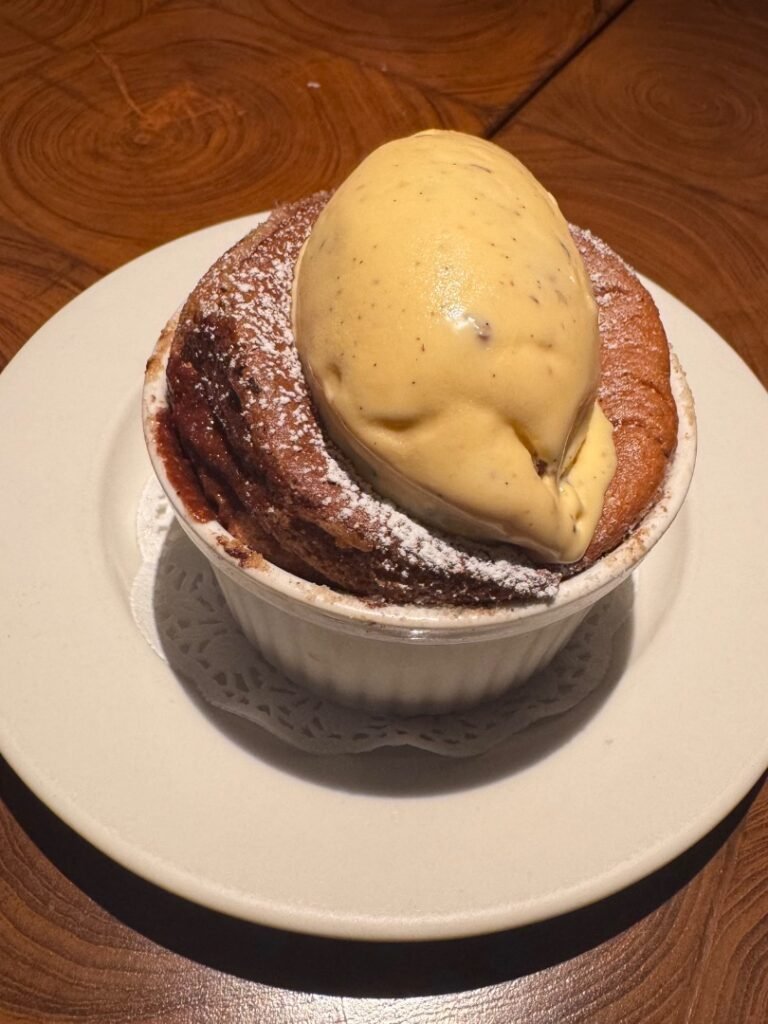
For desserts, we first ordered the Banana Foster Soufflé. The dessert was just okay. I have had much better versions of similar desserts many times before, so this one failed to impress. Looking back, I honestly struggle to remember much about it other than the fact that we found it merely decent.
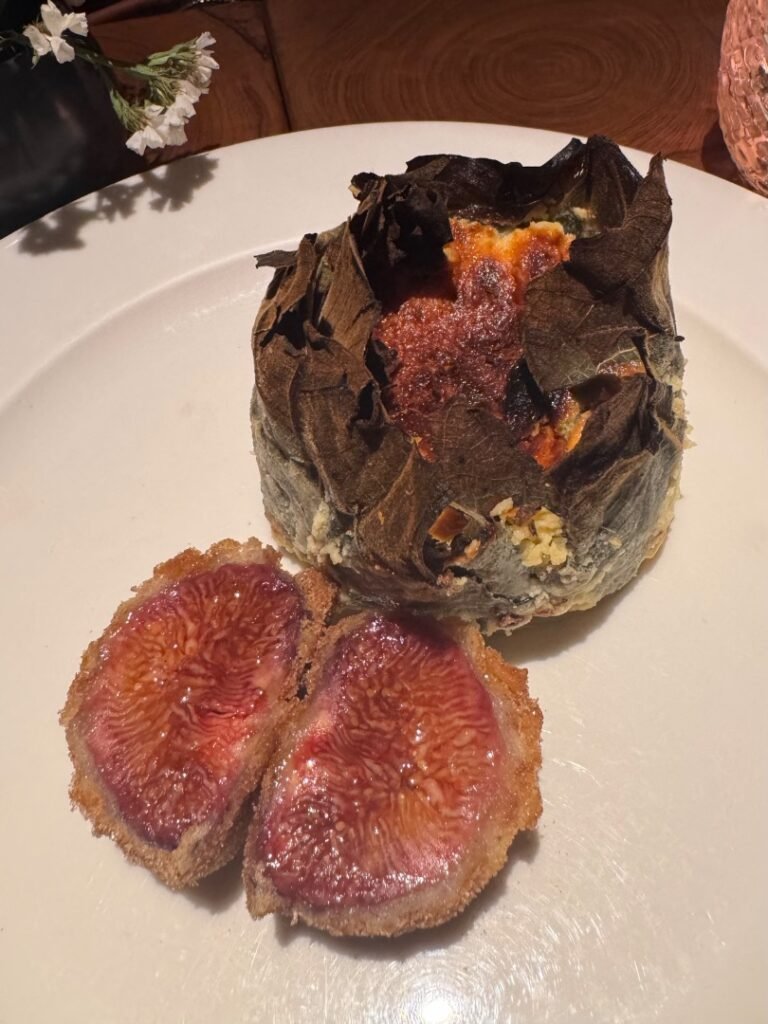
The second dessert we ordered was the Goat’s Cream Euskadi Cheesecake, which was baked in Fig Leaves. This dessert put the final nail in the coffin. It was completely underwhelming. The cheesecake tasted tangy, briny and greasy. The fig leaves were a completely bad idea, as we had to figure out what was edible and what wasn’t. The fig served on the side was coated in flour and fried in what tasted like stale oil. It immediately reminded us of the stale oil we experienced at Avartana. The coating itself felt completely unnecessary. Overall, the dessert was a complete letdown.
The service further worsened our dining experience. The staff came across as cold rather than welcoming. Whenever we called someone over, the immediate response was often that they were taking another table’s order and that we would have to wait. They completely forgot one of our orders. There was hardly any attention given to our table, let alone the attention to detail one expects from a fine dining restaurant.
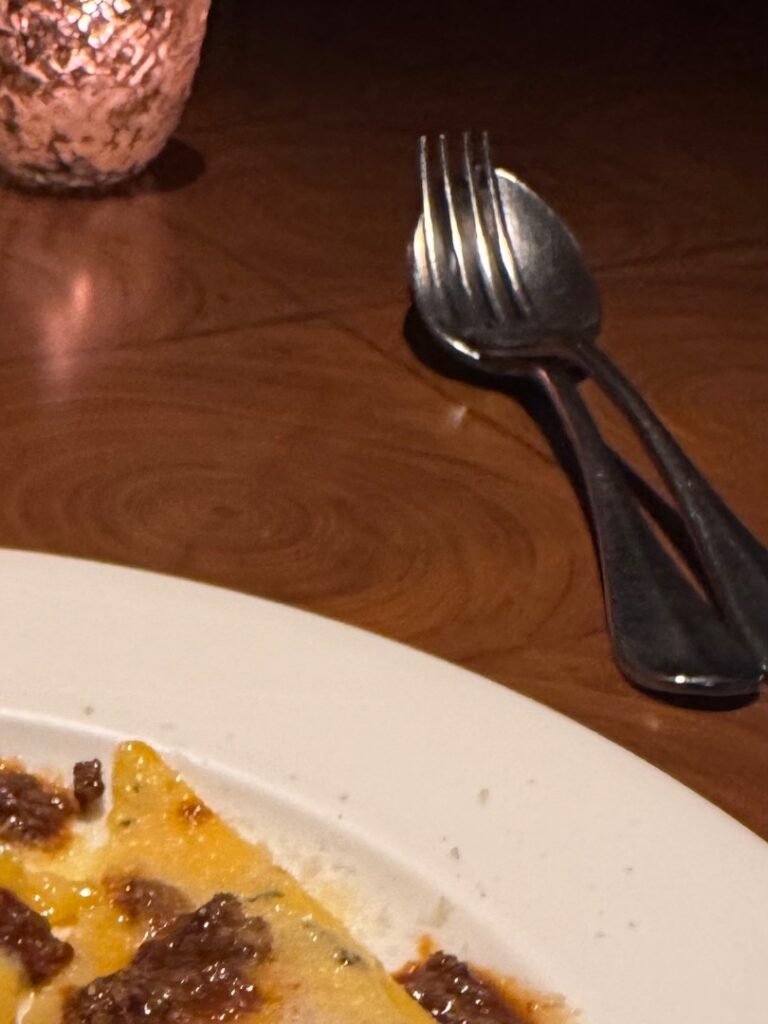
What disappointed us even more was the handling of the cutlery. Throughout the dinner, the cutlery was repeatedly placed directly on the bare wooden table without any cutlery rests. The tabletop itself looked dirty, making it feel rather unhygienic. At one point, I had deliberately rested my spoon on the plate. But then the waiter came, took the spoon from the plate, and placed it directly back onto the table before serving the next course.
Overall, the experience felt distinctly subpar and nowhere close to what we had expected. This wasn’t a case of one disappointing dish or one inattentive server. The problems ranged from subpar presentation and disappointing service to underwhelming dishes and a lack of attention to basic details. There were simply too many shortcomings for us to dismiss the evening as an isolated bad day for the restaurant. For a restaurant carrying such prestigious accolades, we expected much more.
Had The Table been just another restaurant, I would probably have dismissed it as an overrated place and moved on. But when a restaurant carries the title of being the best restaurant in India, expectations are naturally much higher, and it raises a serious question about how such accolades are awarded.
The Questions
Social media is filled with influencers making overwhelmingly positive reviews, whether because of restaurant collaborations or simply because positive content tends to perform far better than negative content. After all, very few people would spam their friends with a list of the worst restaurants to visit. But when people see someone on social media having an exceptional experience, they are far more likely to share it with their friends and aspire to experience the same themselves.
Google reviews are no different. There are countless reports of businesses using review agencies or incentivised reviews to inflate their ratings, making it increasingly difficult to know which opinions can actually be trusted.
In a world where online reviews are difficult to rely on, we turned to established luxury dining publications and restaurant rankings, believing they would provide a more objective starting point for choosing where to dine. But our experiences at these two restaurants have shattered that belief and made us question how much trust we should place in such rankings in the first place.
We dined at these restaurants when they held the title of the #1 restaurant in India according to Condé Nast Traveller. Our unsatisfactory experiences at both restaurants made us question the entire ecosystem surrounding restaurant rankings. How are these rankings actually decided? Is the jury truly anonymous and independent, or is the industry so close-knit that everyone already knows everyone else? Can relationships between restaurateurs, media houses, PR agencies, and critics consciously or unconsciously influence the outcome?
Do ranking platforms influence one another? Once a restaurant is recognised by one prestigious publication, does that recognition make it more likely to appear on every other list as well? Does an echo chamber eventually develop where one publication reinforces the choices of another? Or, at some point, does a restaurant become so established that leaving it off a list becomes harder to justify than including it?
And perhaps the biggest question of all: what experience are the inspectors actually judging? Do they dine like any ordinary guest, or do restaurants somehow recognise important evaluators and deliver a carefully orchestrated dining experience where everything is executed to perfection?
What puzzled us even more was that one of the finest meals we have had in India (a restaurant whose sister restaurant holds three Michelin stars and serves an almost identical menu) doesn’t appear on any of these lists. Yet, in our experience, it comfortably outperformed several restaurants that did. If rankings are meant to identify the country’s finest dining experiences, how does a restaurant like this get overlooked?
In search of these answers, I also found that we were not alone. A lot of people seemed to share our experience. There are countless posts across different forums where diners have described similarly disappointing experiences at these restaurants. That only deepened our doubts.
How much trust should we really place in these rankings? And does truly independent, unbiased food journalism still exist?


So very taken aback to read that such fine restaurants can deliver a subpar experience. And when one looks at it from the lens of people who may actually save for months/travel cities just to eat here, it’s even more surprising that these places don’t care about hygiene and service. Beautifully written, as always!